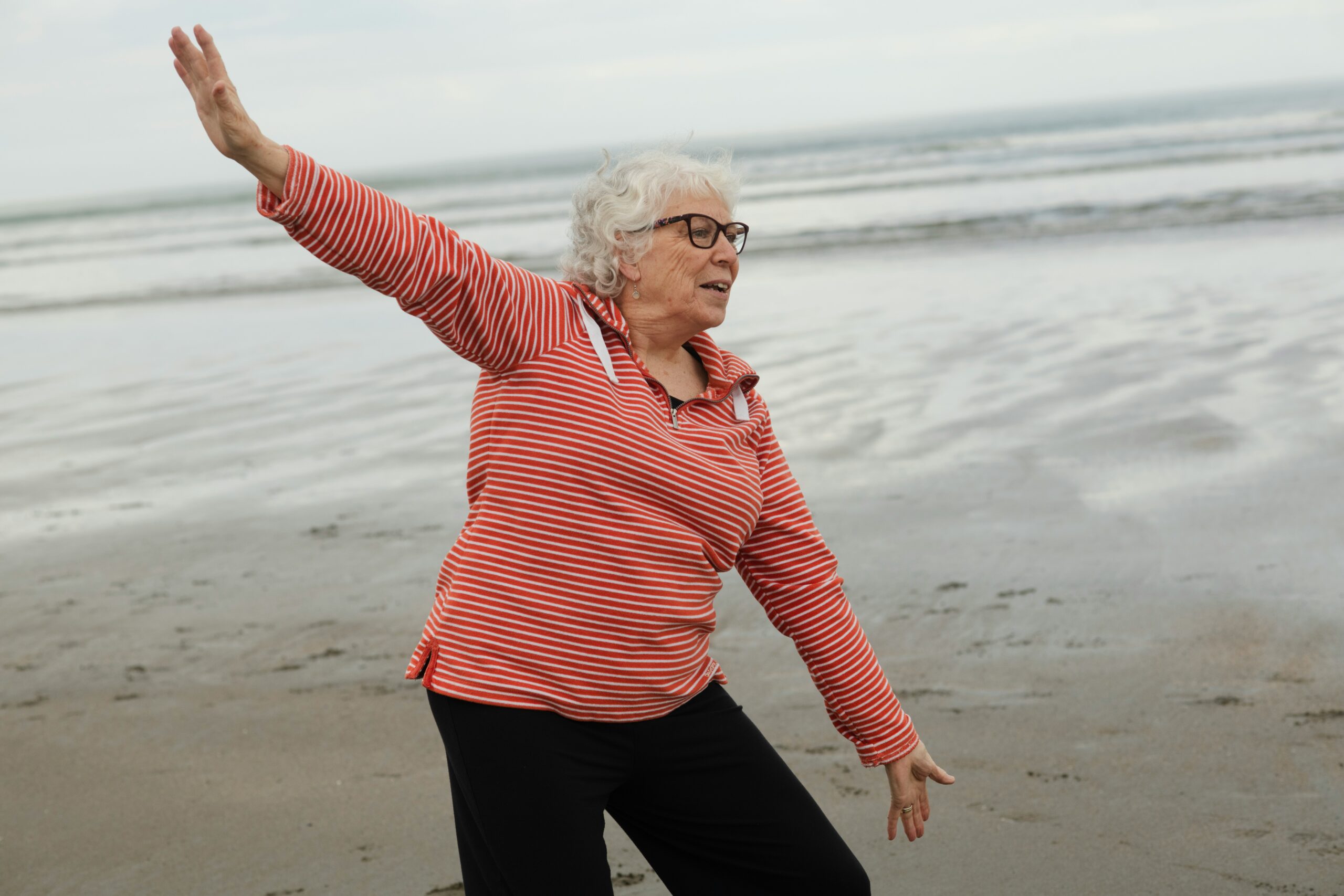
Getting older is a natural part of life, but it does not mean you have to stop prioritizing movement, strength, or physical well-being. Your body’s needs can change over time, making consistent self-care increasingly important. Small choices involving exercise, nutrition, sleep, posture, and everyday movement can help you maintain independence and stay engaged in activities you enjoy. The key is creating habits that are realistic enough to sustain.
Make Regular Movement a Priority
Regular physical activity is one of the most effective ways to support your body as you age. Movement can help maintain muscle strength, flexibility, endurance, and balance, all of which contribute to everyday activities such as walking, climbing stairs, carrying groceries, and getting up from a chair.
You do not need to begin with an intense exercise program. Walking, swimming, cycling, stretching, dancing, and other enjoyable activities can provide opportunities to move your body. The best activity is often one that you can perform consistently and safely.
Add Movement Throughout the Day
Exercise does not have to happen during one specific workout. Look for opportunities to move during ordinary activities. Take a short walk, perform gentle stretches, work in the garden, or complete household tasks that require you to stand and move.
If you spend long periods sitting, make an effort to change positions regularly. Standing up and walking around for a few minutes can break up extended periods of inactivity and help you maintain a more active daily routine.
Build and Maintain Muscle Strength
Muscle mass and strength can change as you get older, making strength-focused activity an important part of maintaining physical function. Strong muscles can support everyday movements and help you remain capable of handling routine tasks independently.
Strength training does not necessarily require heavy weights or complicated equipment. Depending on your abilities and fitness level, exercises such as controlled squats, wall push-ups, resistance exercises, or other bodyweight movements may be useful.
Start Gradually
If strength training is new to you, begin with manageable exercises and focus on proper technique. Gradually increasing the challenge can be more sustainable than attempting an advanced routine immediately.
If you have existing health concerns, balance difficulties, or significant physical limitations, consider seeking guidance from an appropriate healthcare professional before beginning a new exercise program. A qualified professional can help you determine which activities may be suitable for your individual needs.
Protect Your Mobility and Flexibility
Mobility can influence how easily you perform everyday activities. Reaching for an item, turning your head, bending down, getting dressed, or walking comfortably all require your joints and muscles to move effectively.
Regular stretching and varied movement can help you maintain flexibility. Gentle exercises that move your body through comfortable ranges of motion can be incorporated into your morning routine, exercise sessions, or breaks throughout the day.
Avoid forcing a stretch or pushing through sharp pain. Movements should be controlled and appropriate for your current abilities. Consistency matters more than trying to achieve maximum flexibility quickly.
Practice Comfortable Movement
Try to include different types of movement rather than repeating the same activity every day. Walking can support endurance, strength exercises can challenge muscles, and mobility work can encourage comfortable movement through different positions.
Variety also makes physical activity more engaging. Finding several activities you enjoy can make it easier to stay active throughout different seasons and stages of life.
Work on Balance and Stability
Balance becomes increasingly important as you age because it contributes to confidence and safety during everyday movement. Simple balance activities can be incorporated into a regular fitness routine when performed in an appropriate, safe environment.
Standing on one foot while holding a stable surface for support, practicing controlled weight shifts, or performing exercises that strengthen the legs can help you work on stability. Choose activities that match your current ability rather than attempting movements that create unnecessary risk.
Create a Safer Environment
Supporting physical independence also involves making your surroundings easier to navigate. Keep walkways clear of clutter, secure loose rugs where appropriate, and make sure frequently used areas are adequately illuminated.
Pay attention to situations that make you feel unsteady. If you notice recurring balance problems or become concerned about falling, discuss those concerns with a healthcare professional. Identifying potential contributors early can help you take appropriate steps to protect your mobility.
Support Your Body With Good Nutrition
Physical activity is only one part of maintaining your body as you get older. Your body also needs adequate nutrition to support muscles, bones, energy levels, and other functions.
Aim for a varied eating pattern that includes nutrient-dense foods such as vegetables, fruits, whole grains, lean protein sources, and healthy fats. Staying adequately hydrated is also important, especially when you are physically active or spending time in warm environments.
Pay Attention to Protein and Hydration
Protein provides building blocks that your body uses to maintain and repair tissues. Including appropriate protein sources throughout your meals can complement a strength-focused lifestyle.
Hydration matters as well. Rather than waiting until you feel extremely thirsty, make drinking fluids a regular part of your day. Individual nutritional and hydration needs can vary, so people with specific dietary requirements or medical conditions should seek personalized advice from an appropriate healthcare professional.
Take Care of Your Spine and Joints
Your spine and joints play a central role in everyday movement, from walking and bending to sitting and reaching. Supporting them does not mean avoiding movement. In many cases, appropriate activity can help you maintain strength and mobility.
Pay attention to how you perform repetitive tasks. When lifting household objects, use techniques that match the size and weight of the item. Avoid unnecessarily twisting while carrying something heavy, and ask for assistance when a task exceeds your physical ability.
Don’t Ignore Persistent Discomfort
Occasional soreness after unfamiliar activity may happen, but persistent or worsening pain deserves attention. Rather than simply changing how you move to avoid the discomfort indefinitely, consider discussing recurring symptoms with a qualified healthcare professional.
For individuals interested in musculoskeletal care, consulting a chiropractor in West Jordan may provide an opportunity to discuss mobility concerns and receive an evaluation tailored to their individual circumstances.
Prioritize Quality Sleep and Recovery
Rest is an important part of supporting your body. Sleep gives your body time to recover from daily physical and mental demands, while adequate recovery between demanding activities can help you maintain a sustainable routine.
Try to establish consistent sleep habits and create a comfortable environment that supports rest. If you regularly have difficulty sleeping or wake feeling unusually tired, consider discussing the issue with a healthcare professional rather than assuming it is simply a normal part of getting older.
Balance Activity With Recovery
Being active does not mean exercising as hard as possible every day. Your routine should include easier days and opportunities to recover, particularly after activities that place greater demands on your muscles and joints.
Gradually increasing activity can help you avoid doing too much too soon. If a particular activity consistently causes significant pain or exhaustion, reassess the intensity and seek professional guidance when appropriate.
Keep Your Mind Engaged
Physical wellness and mental well-being are closely connected. Staying engaged with hobbies, social activities, learning opportunities, and meaningful responsibilities can contribute to an active lifestyle.
Try activities that encourage you to interact with other people or learn something new. Reading, creative projects, games, community activities, and educational pursuits can all provide mental stimulation while adding variety to your routine.
Social connections can also make healthy habits easier to maintain. Walking with a friend, joining a recreational group, or participating in community activities can combine movement with meaningful social interaction.
Schedule Regular Health Checkups
Preventive healthcare becomes increasingly valuable as you age. Regular appointments can help you monitor important aspects of your health and discuss changes that may affect your ability to stay active.
Bring up concerns such as persistent pain, reduced mobility, balance changes, unusual fatigue, or difficulty performing activities that once felt easy. Early conversations can help you identify appropriate next steps.
Health screenings and professional recommendations vary based on individual circumstances, age, and medical history. Follow the guidance provided by your healthcare team rather than relying on a one-size-fits-all approach.
Make Healthy Habits Sustainable
Supporting your body as you age is not about following a perfect routine. What matters is creating habits that fit your lifestyle and can continue over the long term. A short walk you take consistently may be more useful than an ambitious exercise plan you abandon after a few weeks.
Start with one or two practical changes. You might add a daily walk, introduce simple strength exercises, improve your hydration habits, or spend a few minutes working on mobility. Once those behaviors become familiar, gradually build on them.
Focus on What Your Body Can Do
Aging can bring changes in physical ability, but those changes do not mean you have to stop challenging yourself. Focus on maintaining the abilities that matter to you and finding safe ways to continue doing activities you enjoy.
Your goals may change over time, and that is completely normal. Whether you want to remain active with family, continue enjoying outdoor activities, maintain independence, or simply feel more comfortable throughout the day, your routine can evolve with you.
Conclusion
Supporting your body as you get older is about consistency, not perfection. Regular movement, strength exercises, balance practice, nutritious meals, adequate rest, and preventive care can all contribute to physical well-being and independence. Listen to your body, address persistent concerns, and choose habits you can maintain over time. Small, sustainable choices can make a meaningful difference in how you move, feel, and participate in daily life.