Creating a high-efficiency home office requires more than setting up a desk and opening a laptop. True professional output depends on intentional spatial organization, cognitive ergonomics, and physical comfort. Designing an environment specifically tailored to your workflow reduces mental fatigue, eliminates daily friction, and improves overall focus.
Strategic Physical Layouts and Ergonomics
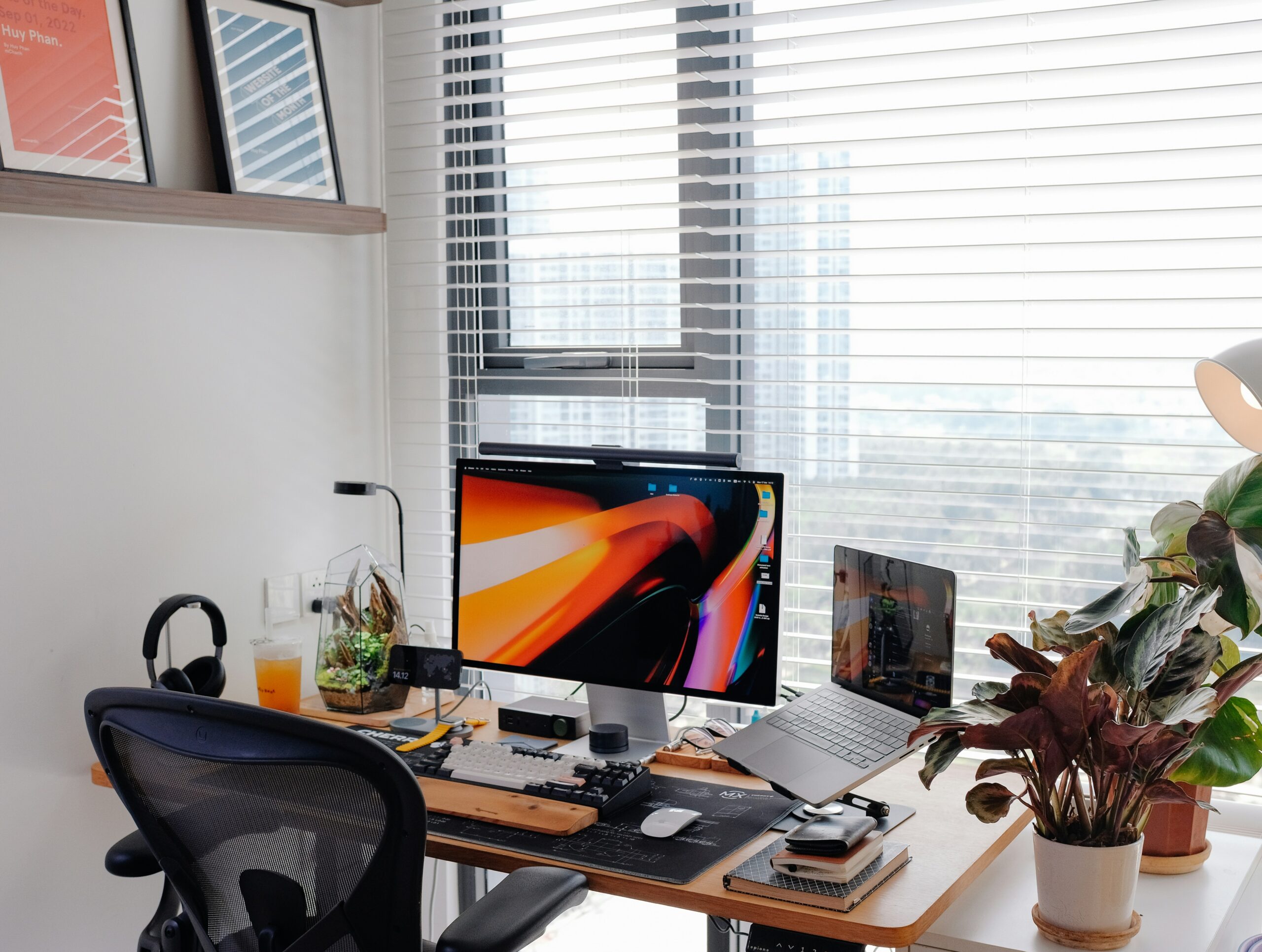
The arrangement of furniture directly influences physical well-being and daily endurance. Placing the desk perpendicular to natural light sources maximizes visual warmth without causing screen glare. Positioning primary equipment within natural reach prevents repetitive strain throughout long working sessions.
Monitor Elevation and Seating Alignment
Maintaining neutral posture is crucial for preventing neck and back discomfort. Monitors should sit directly at eye level, roughly an arm’s length away from the body. Ergonomic seating must support the lower back while allowing feet to rest flat on the floor, promoting healthy circulation during extended focus blocks.
Illumination and Visual Comfort
Lighting conditions dictate energy levels and focus retention. Combining ambient overhead lighting with an adjustable task lamp minimizes eye strain. Cooler lighting tones encourage alertness during peak morning focus hours, while warmer tones foster an inviting atmosphere during afternoon review periods.
Minimizing Visual and Digital Distractions
Clutter acts as an invisible drain on cognitive bandwidth. When your surrounding space is filled with unnecessary items, the brain constantly processes irrelevant environmental data. Streamlining both physical and digital work areas creates immediate mental clarity.
Desktop Organization and Cable Control
Keeping the primary work surface clear promotes a clear mind. Limit desktop items to daily essential tools, such as a notebook, a single pen, and a water glass. Utilizing under-desk cable channels and cord clips keeps power lines organized, removing visual busyness from your line of sight.
Digital File Management and Daily Resets
Digital clutter can be just as distracting as a messy desk. Establishing a systematic folder structure prevents lost time searching for crucial documents. Clearing temporary downloads and organizing desktop shortcuts at the end of each afternoon creates a fresh starting environment for the following morning.
Integrating Relaxation Spaces for Cognitive Recovery
Sustained productivity relies heavily on planned recovery periods throughout the day. Step away from digital screens during breaks to reset cognitive capacity and prevent burnout.
Designing Outdoor Reset Zones
Stepping outside during scheduled breaks helps clear the mind and lower stress levels. Backyard outdoor areas designed for relaxation provide an excellent setting for mental recovery. Homeowners seeking therapeutic water features often consult custom hot tub builders from Utah to integrate hydrotherapy zones that support muscle recovery and daily stress relief.
Time-Blocking for Deep Focus
Dividing the workday into distinct operational blocks enhances momentum. Grouping administrative tasks prevents frequent context switching, which lowers quality of work. Alternating deep-focus blocks with short, non-digital movement breaks sustains high-level mental clarity throughout the afternoon.
Sustaining Operational Efficiency
Maintaining an efficient home office requires regular upkeep rather than infrequent overhauls. Small, consistent habits ensure that your workspace continuously supports high productivity.
The Evening Workstation Reset
Spending five minutes at the end of the day clearing your desk sets up success for tomorrow. Returning stray items to their places, wiping down surfaces, and listing top priorities for the next morning allows your brain to disconnect completely from work.
Continuous Environmental Adjustments
Productivity needs change alongside project demands and seasonal shifts. Periodically evaluating your setup helps identify necessary adjustments to lighting, seating, or storage. These continuous refinements keep your home workspace aligned with your professional goals.