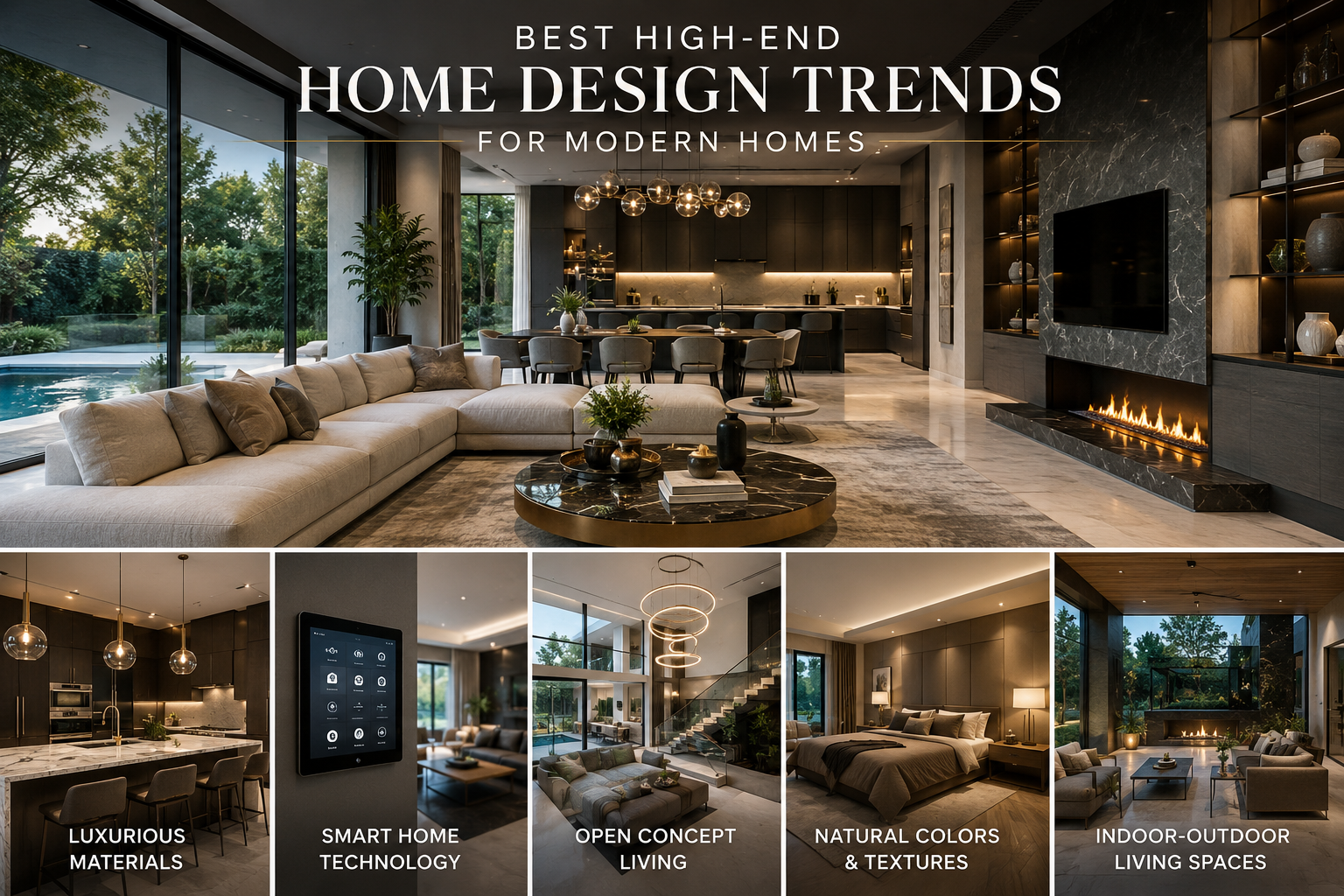
The concept of luxury home design is undergoing a profound transformation. In previous eras, opulence was often synonymous with sheer scale, grand square footage, and extravagant ornamentation. Today, however, the high-end market has shifted toward a more intentional approach. Modern luxury is defined by a seamless blend of innovation, comfort, and personal narrative. High-end homes are no longer just structures; they are curated experiences designed to enhance daily life through thoughtful architecture and sophisticated functionality.
If you are building from the ground up or upgrading your current estate, understanding the leading movements in high-end architecture and interior styling can help you create a timeless sanctuary.
1. Silent Technology and Intuitive Automation
One of the most defining trends in modern luxury design is the integration of intuitive technology. While home automation has been popular for years, today’s smart homes go a step further by utilizing systems that learn your preferences over time.
The true mark of modern luxury is “silent” technology. Instead of bulky gadgets and intrusive control panels, forward-thinking designers favor hidden speakers, invisible charging stations, and automated window treatments that adjust seamlessly based on daylight. This approach ensures ultimate convenience while protecting the visual purity and aesthetic harmony of the living space.
2. Wellness-Centered Sanctuaries
Wellness has evolved from a lifestyle trend into a primary architectural requirement in luxury real estate. High-end properties now frequently include dedicated wellness areas, such as professional-grade home gyms, yoga studios, and peaceful meditation rooms.
Bathrooms, in particular, are being reimagined as private spa retreats. These spaces feature freestanding soaking tubs, rainfall showerheads, steam showers with ambient mood lighting, and heated flooring. Additionally, integrated air and water purification systems are gaining widespread popularity, reflecting a growing prioritization of environmental health and personal rejuvenation.
3. Seamless Indoor-Outdoor Transitions
Blurring the boundary between indoor and outdoor spaces remains a massive hallmark of modern luxury architecture. Expansive floor-to-ceiling glass doors, folding glass walls, and covered patios create a fluid transition that extends the home’s footprint.
Outdoor spaces are now designed with the exact same level of detail as the interiors. Fully equipped outdoor kitchens, sophisticated lounge zones centered around sleek fire pits, and custom infinity-edge pools turn the backyard into a premium entertainment hub. The goal is to establish a deep connection with nature without sacrificing an ounce of interior comfort.
4. Material Authenticity and Statement Exteriors
Inside and out, bold material choices are making a significant comeback. High-end design heavily emphasizes texture, depth, and authenticity over mass-produced finishes. Inside, this looks like book-matched natural stone countertops, custom woodwork, and artisanal plaster finishes that celebrate true craftsmanship.
On the exterior, luxury is reflected in architectural longevity and striking visual appeal. Homeowners are investing in premium, living materials that age beautifully alongside their natural surroundings. For instance, incorporating architectural elements like copper gutters in Morgan, UT allows a modern mountain home to achieve a stunning patina over time, perfectly marrying rugged durability with sophisticated design. Such thoughtful choices ensure the home’s facade feels deeply connected to its geographic context.
5. Flexible, Personalized Spaces and Gourmet Hubs
Today’s luxury homeowners want highly customized environments that cater to their unique passions. This desire has led to an increase in bespoke libraries, private wine cellars, and multi-functional spaces. A luxury guest suite might easily transition into a sophisticated executive office as lifestyles and needs evolve.
Similarly, the kitchen remains the true heart of the home, but with an elevated twist. Modern luxury kitchens feature bold color palettes—such as deep charcoal, matte black, or forest green—paired with professional-grade appliances. To maintain a clean aesthetic during large gatherings, many contemporary blueprints now include a secondary prep kitchen or butler’s pantry, allowing heavy cooking preparation to occur away from the primary social zones.
In Conclusion
Modern luxury home design is ultimately about creating an environment that elevates your everyday experience. By embracing silent automation, holistic wellness design, authentic materials, and flexible layouts, you can craft a forward-thinking space that is both visually breathtaking and deeply comforting. True luxury lies in a home that perfectly aligns with your lifestyle, offering an enduring sense of ease, inspiration, and personal sanctuary.