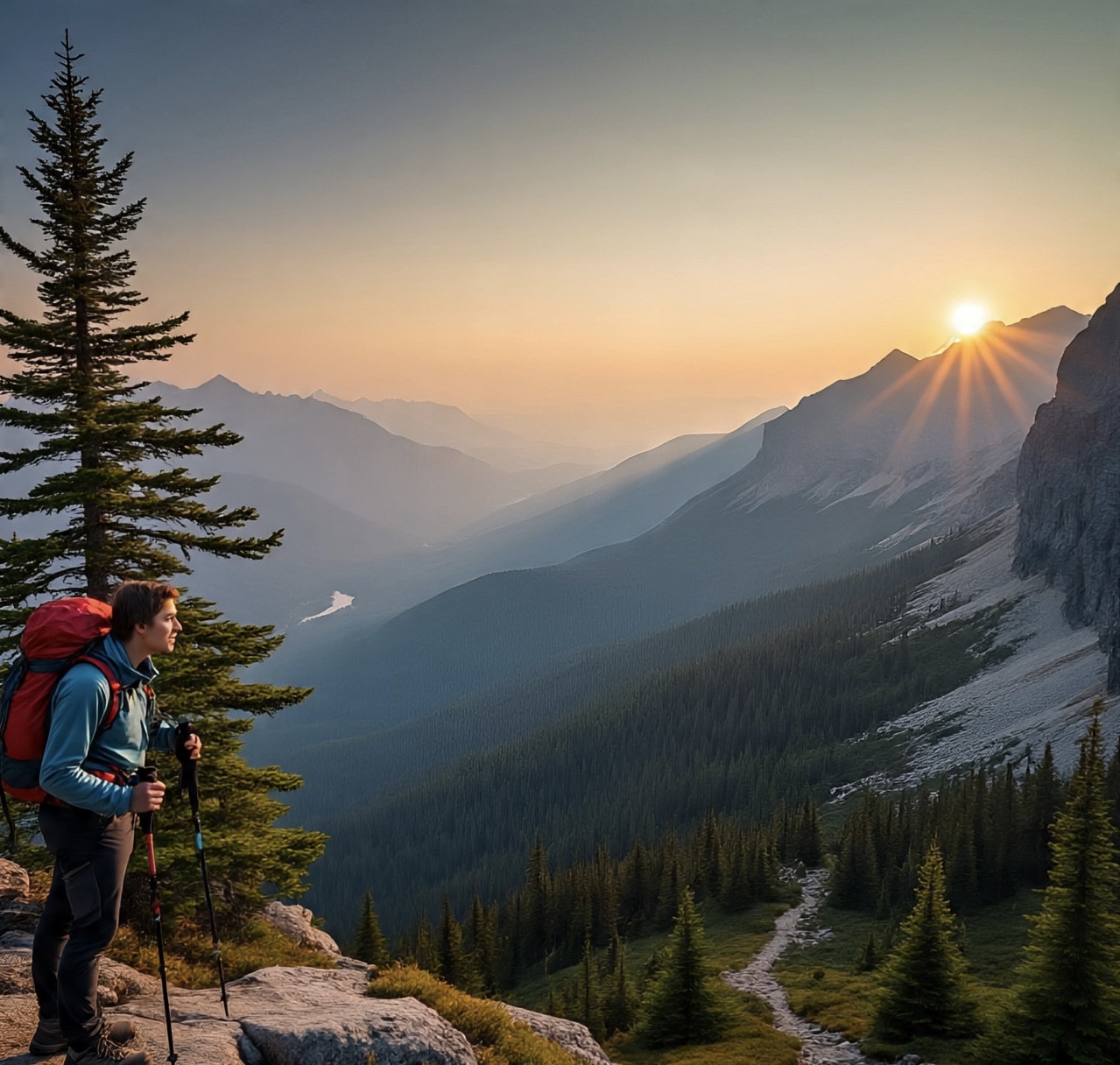
Across Canada, long-distance treks reward travelers with quiet paths, big skies, and wild landscapes that feel far from busy streets. From coastal headlands to high mountain passes, each region offers its own mix of views, weather, and trail style, so smart preparation matters more than a heavy pack. A well-planned route keeps the focus on fresh air and steady progress instead of stress.
Reliable mobile access now supports that preparation in a practical way. Many visitors choose a Canada data esim so they can access maps, trail reports, and weather updates without swapping physical SIM cards. With coverage that follows them between remote trailheads, small towns, and national parks, trekkers stay more confident as they move deeper into Canada’s wilderness.
Know Your Trail Zones
Canada stretches across many climates and landforms, so no single trek feels the same. West coast routes may include steep coastal cliffs and rain-soaked forest, while central trails cross open prairie and rolling foothills. Farther north, boreal forests give endless stands of spruce and lakes that glitter beside rocky portage paths.
Hikers should decide early which style of landscape suits their comfort level and time frame. This choice shapes everything from footwear and clothing to daily distance goals. A trek that matches personal preferences leads to better morale when long days start to blend.
Smart Route and Digital Map Prep
Route choices benefit from both paper maps and digital tools. Topographic apps show elevation gain, side routes, and potential bailout points that older guidebooks may miss. A Canada data esim keeps those tools active once travelers arrive, so last-minute changes or new trail ideas remain easy to handle.
Key digital prep steps before departure
Train for Elevation, Not Just Distance
Many scenic treks include steep climbs, long descents, and thin air at higher passes. Distance alone does not tell the full story of how demanding a trail will feel. Shorter routes with sharp elevation changes can tire legs much faster than flat days that cover more kilometers.
Preparation should combine cardio sessions with strength work for knees, hips, and core. Stair workouts, hill repeats, or long walks with a gradual increase in pack weight help simulate real trail conditions. Stronger legs and lungs reduce injury risk and make big view moments feel like a reward instead of a struggle.
Layered Clothing for Sudden Weather Flips
The weather in many parts of Canada changes quickly, especially where coastal moisture and mountain air meet. A clear morning can shift to cold wind, rain, or even fresh snow at higher elevations. A simple layered system gives the flexibility to adjust without stopping for major wardrobe changes.
A light base layer keeps skin dry, a warm mid layer traps heat, and a shell jacket blocks wind and rain. Trekking pants that dry fast, along with a hat and gloves, add extra comfort on exposed ridgelines. This kind of wardrobe keeps hikers ready for nearly anything the sky decides to send.
Water Strategy and Eco-Friendly Hydration
Water planning deserves as much attention as route planning. Many trails cross streams and lakes, yet safe drinking still requires a smart system. Carrying all the water from the start weighs down a pack and slows the pace. Smart trekkers mix carried water with safe refills along the route.
Hydration essentials to pack
Respect for local ecosystems matters too, so refilling away from delicate shorelines and avoiding soap near water sources keeps the environment healthy for the next visitor.
Wildlife-Safe Trek Habits
Wildlife encounters form part of the appeal of remote trails, yet they also call for caution. Many Canadian regions host bears, moose, and smaller animals that need space and quiet. Good habits help reduce risk for both humans and animals.
Food should stay in scent-resistant bags or approved storage at night, well away from tents. Groups can use normal conversation or gentle noise on the trail so animals hear them coming and have time to move away. Respecting distance, never feeding any animal, and learning local wildlife guidelines all protect those habitats and keep treks peaceful.
Tech Extras Beyond the Basics
Modern trekking kits rarely stop at a phone and a watch. For longer trips, a few extra devices can add safety and comfort if power is managed well. A small headlamp with backup batteries keeps camp routines simple after dark and helps on early starts. Satellite beacons or basic emergency messengers provide contact options far from cell coverage.
Trail-journal apps let travelers record daily notes and photos without carrying extra notebooks. Compact solar panels or high-capacity power banks keep essential devices alive through longer stretches between towns. Travel eSIM services make it easier to sync updates or send quick check-in messages when signal returns.
Preparation shapes how a trek across this country’s most scenic trails will feel, from the first step onto a coastal path to the final descent from a high alpine pass. Clear choices about regions, routes, training, clothing, water, wildlife habits, and tech give travelers a solid foundation for rewarding days outside. A canada data esim strengthens that foundation by keeping maps, reports, and key information within easy reach without the hassle of physical SIM cards. With the right mix of planning and digital support, every trek across Canada can feel safer, smoother, and richer in memorable moments.