Greenland is one of the coldest places where people live. Because of this, clothing in Greenland is very important. For hundreds of years, people in Greenland have made and worn special clothes to protect themselves from cold wind, snow, and sea water. These clothes were not only for warmth. They also showed culture, family skills, and local traditions.
Today, Greenlandic clothing includes both traditional dress and modern winter clothing. People wear modern jackets and boots in daily life, but traditional Greenlandic clothing is still worn on special days and cultural events. This guide explains how Greenlandic clothing started, what traditional clothing looks like, how people dress today, and what visitors should wear when traveling to Greenland.
1. How Greenlandic Clothing Started
In the past, Greenlandic people depended on hunting and fishing to survive. They spent a lot of time outdoors in very cold weather. Their clothing had to:
-
Keep the body warm
-
Protect from strong wind
-
Stay dry in snow and sea water
-
Allow easy movement
Traditional Materials Used
People used animals they hunted to make clothes. Each material had a purpose.
| Material | Why It Was Used |
|---|---|
| Seal skin | Water-resistant, good for boots and outer clothing |
| Reindeer skin | Very warm for cold temperatures |
| Fox fur | Extra warmth around hoods |
| Bear fur | Very thick and warm (used long ago) |
These materials helped people survive long winters and outdoor work.
2. Traditional Greenlandic Clothing
Traditional clothing in Greenland is simple in shape but very smart in design. Every part of the clothing had a clear purpose.
Main Traditional Clothing Items
-
Anorak
A jacket worn over the head. It protects from wind and cold. -
Traditional boots (kamik)
Soft boots made from animal skin. They keep feet warm and dry. -
Inner warm clothing
Layers worn under the jacket for extra warmth. -
Gloves and mittens
Important for protecting hands from freezing.
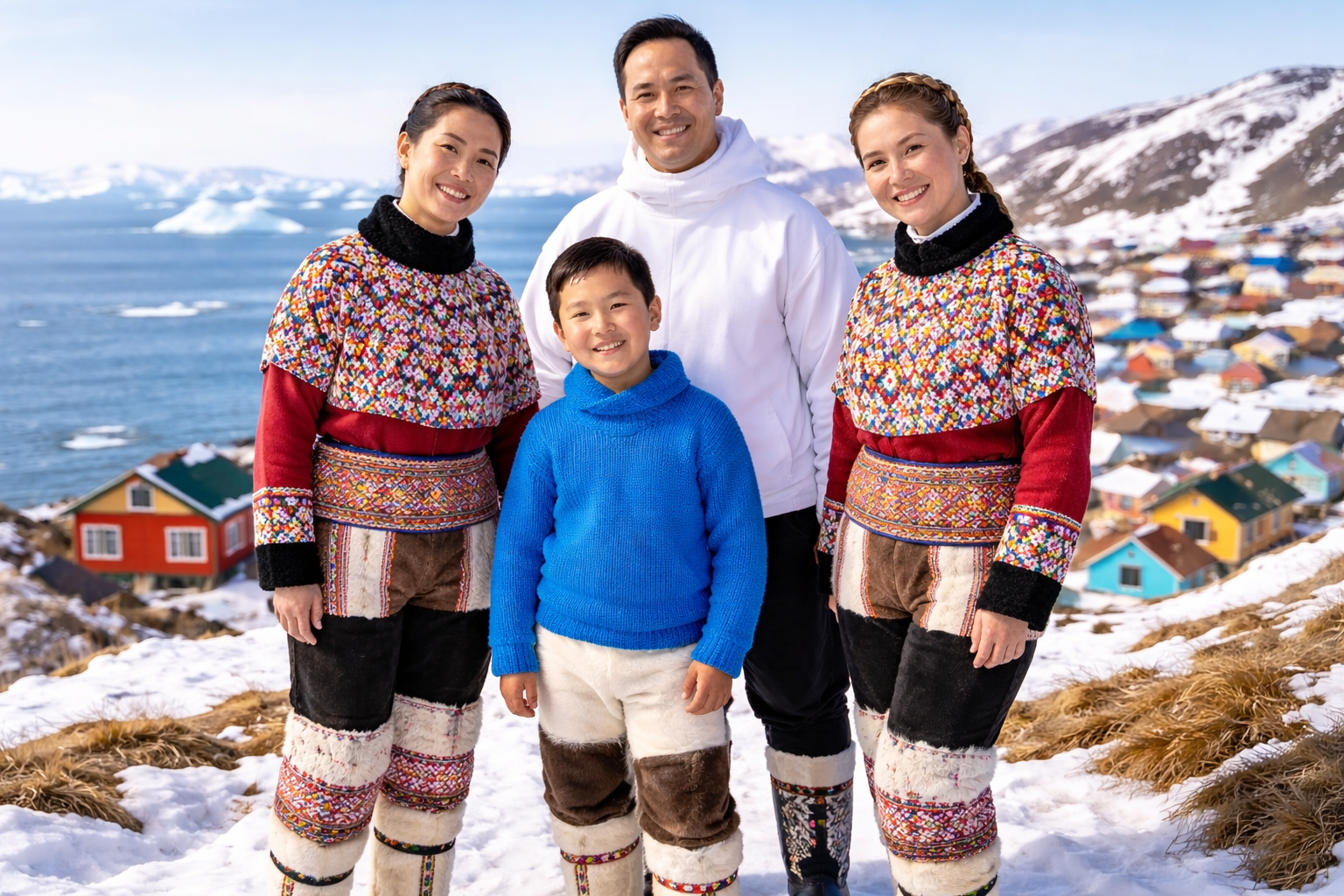
3. Greenlandic National Dress (Traditional Festive Clothing)
Greenlandic national clothing is worn on special days. It is colorful, beautiful, and carefully handmade.
When National Clothing Is Worn
People wear traditional clothing during:
-
National celebrations
-
Weddings
-
Religious events
-
Family celebrations
-
Cultural festivals
-
School ceremonies
What National Clothing Looks Like
| For Men | For Women |
|---|---|
| White jacket | Colorful jacket |
| Dark trousers | Short decorative pants |
| Traditional boots | Traditional boots |
| — | Colorful bead decoration |
This clothing is not everyday wear. It is a sign of respect for culture and tradition.
4. Different Clothing Styles in Greenland
Greenland is a large country with different regions. Traditional clothing styles change depending on the area.
Regional Differences
| Area of Greenland | Clothing Style |
|---|---|
| West Greenland | Bright colors and bead designs |
| North Greenland | Simple and strong clothing for extreme cold |
| East Greenland | Unique patterns and color styles |
These differences help show where a person or family comes from.
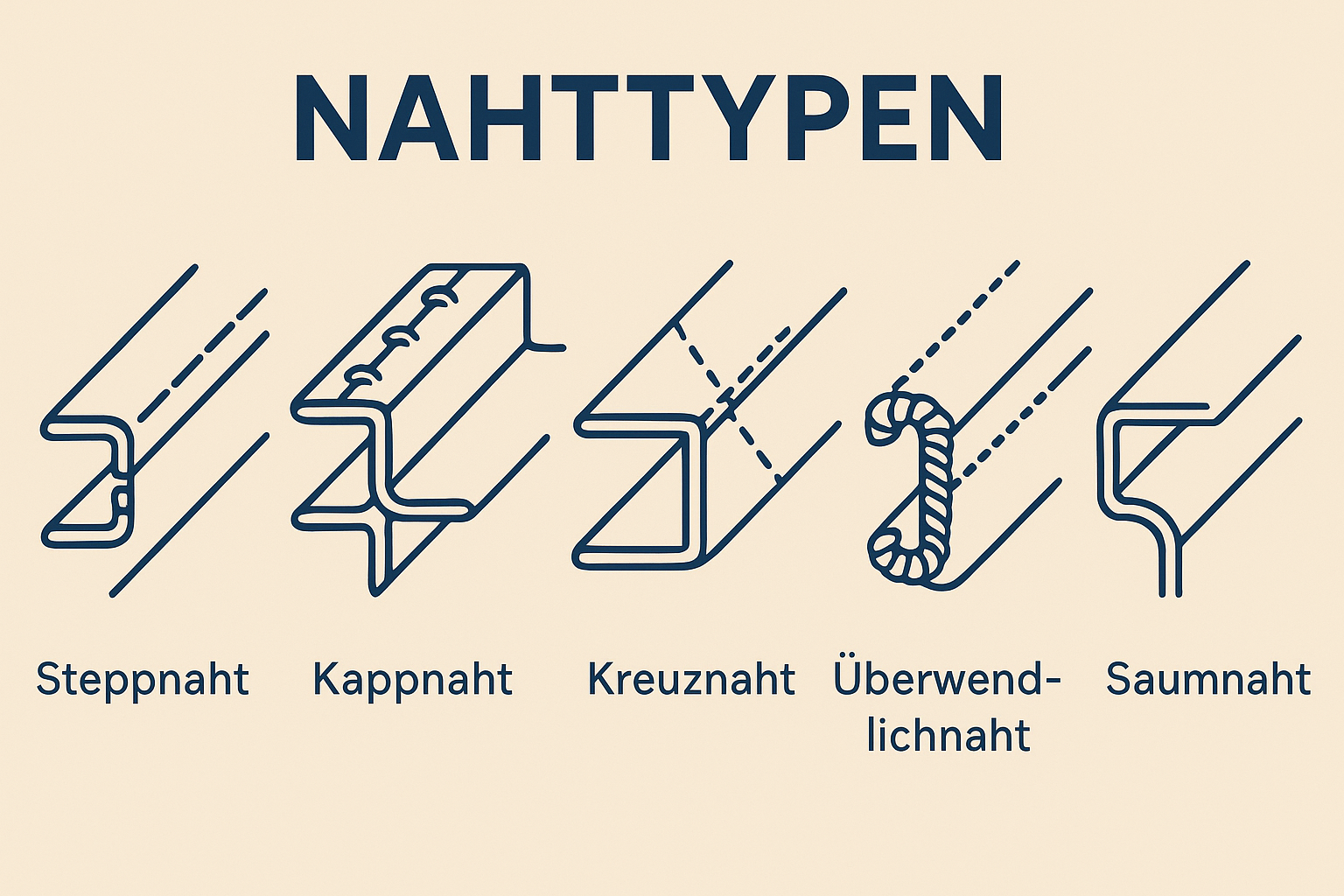
Traditional Greenlandic clothing was carefully hand-sewn, and different Nahttypen (types of seams) were used to make the clothes strong, warm, and long-lasting.
5. Meaning Behind Traditional Clothing
Traditional Greenlandic clothing is not only for warmth. It also has cultural meaning.
What Traditional Clothing Represents
-
Cultural pride
-
Family skills
-
Local identity
-
Respect for history
Why Handmade Clothing Is Important
| Reason | Meaning |
|---|---|
| Handmade | Shows care and skill |
| Time-consuming | Shows patience and dedication |
| Passed in families | Keeps traditions alive |
| Unique designs | Shows personal or local style |
Traditional clothing is often kept for many years and used again for special occasions.
6. How People Dress in Greenland Today
In modern Greenland, most people wear modern winter clothing in daily life. This includes:
-
Warm winter jackets
-
Waterproof coats
-
Insulated pants
-
Snow boots
-
Hats, scarves, and gloves
Modern Clothing vs Traditional Clothing
| Modern Clothing | Traditional Clothing |
|---|---|
| Used daily | Used on special days |
| Simple design | Decorative and colorful |
| Factory made | Often handmade |
| Focus on comfort | Focus on culture and tradition |
Some modern Greenlandic designers use traditional patterns and colors in new clothing styles.
7. What Tourists Should Wear in Greenland
Visitors to Greenland must dress well to stay warm and safe.
Simple Layering System
The best way to dress is in layers.
| Layer | Purpose | Examples |
|---|---|---|
| Base layer | Keeps skin dry | Wool or sports shirts |
| Middle layer | Keeps body warm | Fleece or warm sweater |
| Outer layer | Protects from wind and rain | Waterproof jacket |
Important Clothing Items to Bring
-
Warm winter jacket
-
Waterproof boots
-
Thick socks
-
Warm gloves or mittens
-
Hat and neck cover
-
Sunglasses (sun reflects on snow)
8. What to Wear by Season
| Season | Clothing Tips |
|---|---|
| Winter | Very warm clothes, thick jacket |
| Summer | Light clothes + warm jacket |
| Spring | Layers, waterproof jacket |
| Autumn | Warm layers and rain protection |
Weather can change fast, so it is better to bring extra layers.
9. What to Wear for Activities
| Activity | Best Clothing |
|---|---|
| Hiking | Hiking boots, layered clothing |
| Boat trips | Waterproof jacket and warm layers |
| Dog sledding | Heavy winter jacket and pants |
| Northern lights | Warmest clothes, face cover |
| Town walking | Warm coat and comfortable shoes |
10. Respecting Greenlandic Culture
When seeing traditional Greenlandic clothing:
-
Be respectful
-
Ask before taking photos
-
Do not treat it like a costume
-
Support local artists and handmade products
Traditional clothing is part of Greenlandic identity and culture.
11. Taking Care of Clothes in Cold Weather
Cold and wet weather can damage clothing.
Simple Care Tips
-
Dry clothes fully after use
-
Let boots air dry
-
Do not dry clothes too close to strong heat
-
Store traditional clothing carefully
Conclusion
Greenlandic clothing is a mix of survival, culture, and modern life. In the past, clothing helped people live in very cold conditions. Today, modern winter clothing is worn every day, while traditional clothing is still used to celebrate culture and history. Understanding how people dress in Greenland helps visitors better respect the local way of life and stay safe in Arctic weather.
If you plan to visit Greenland, wearing the right clothes will make your trip more comfortable and enjoyable. Learning about Greenlandic clothing also gives you a deeper understanding of the people and their strong connection to their environment.