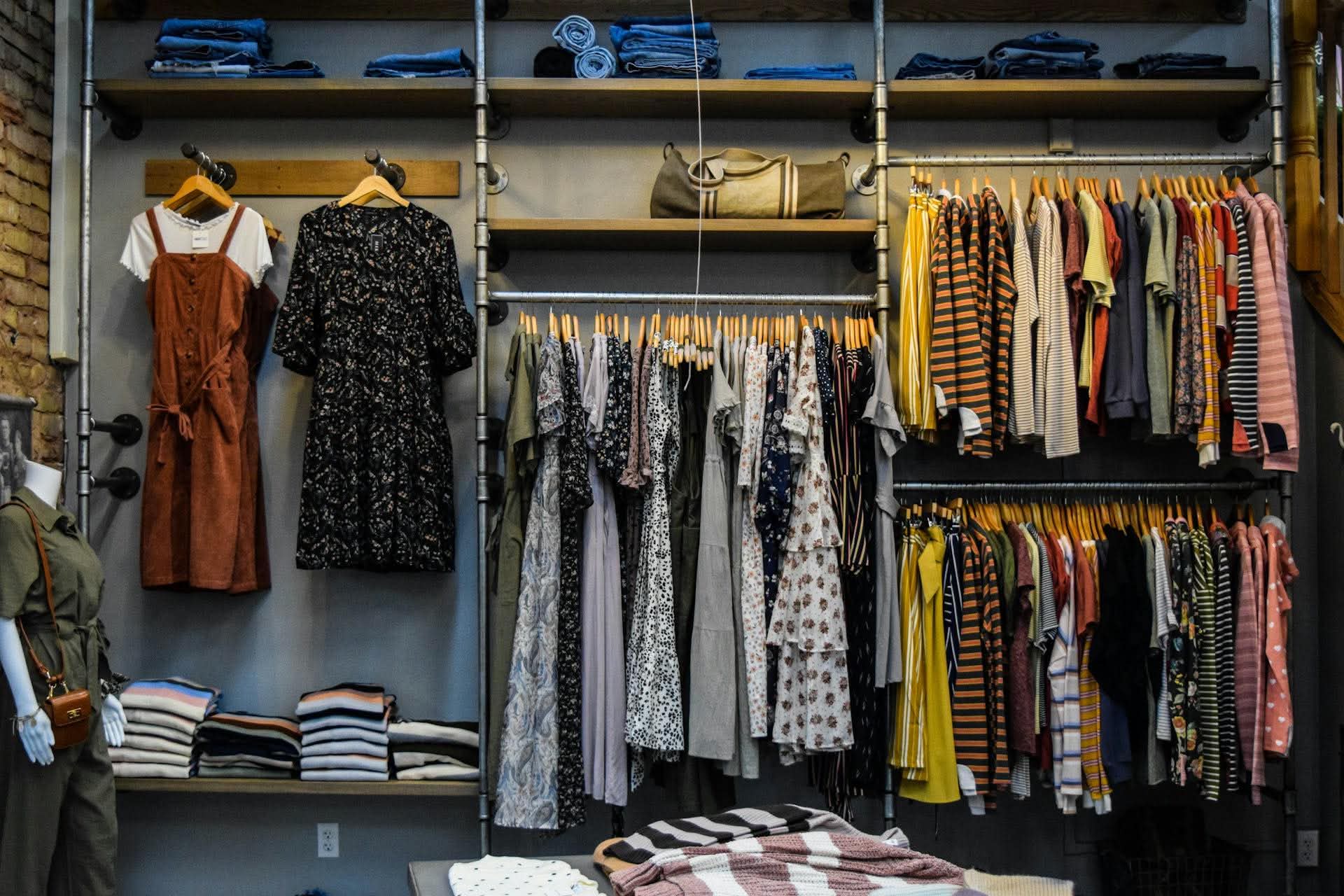
Most people’s wardrobes are full of clothes and short on options. The quantity is there. The coherence is not. Getting dressed in the morning takes longer than it should, the same few pieces get worn constantly while others sit untouched, and the wardrobe as a whole does not adapt well to the range of occasions a professional life actually involves.
Building a wardrobe that genuinely works is less about buying more and more about buying better. The principles behind it are straightforward, and the result is a wardrobe that gets easier to dress from over time rather than harder.
Why Functionality Matters More Than Fast Fashion
Fast fashion offers newness at low cost and almost no longevity. The pieces look adequate when they arrive and deteriorate within a season, at which point the cycle repeats. The financial and practical cost of this approach over several years is considerably higher than it appears at the point of purchase.
A functional wardrobe is built around pieces that last, that adapt across contexts, and that do not require constant replacement. The upfront cost of quality is higher. The total cost over three years is almost always lower, and the wardrobe remains coherent rather than accumulating into an inconsistent collection of things that do not work together.
Functionality also means suitability for the life being lived. A wardrobe built for someone else’s lifestyle, aspirational purchases that reflect who you think you should be rather than who you are daily, is a wardrobe that does not get used. Dressing well starts with an honest assessment of where you actually go and what you actually need.
The Core Pieces Every Professional Wardrobe Needs
A capsule wardrobe for professional life does not need to be large. It needs to be considered. The core pieces that appear most consistently in well-functioning professional wardrobes share a few characteristics: neutral colourways that work with everything else, quality construction that holds up through frequent wear and cleaning, and silhouettes that sit between casual and formal without looking out of place in either.
The specific pieces vary by industry and role, but the principle holds across most professional contexts. A well-cut trouser in a neutral, a quality knit or shirt that works tucked or untucked, a structured layer that elevates without adding formality, and one or two pieces with enough character to carry an outfit when everything else is understated. These are the workwear essentials that form the foundation everything else builds on.
Choosing Versatile Colours That Mix and Match Easily
Colour is where most wardrobes lose coherence. When each piece has been bought independently without reference to what already exists, the result is a collection that does not mix. A versatile colour palette makes mixing and matching easier without requiring thought or effort every morning.

The most practical palettes for professional wardrobes are built around two or three neutrals, navy, charcoal, camel, white, cream, black, with one or two accent colours that appear consistently across pieces. Every item in the wardrobe works with every other item in the wardrobe. Getting dressed becomes selection rather than matching.
This does not mean dressing without personality. It means building the functional base in neutrals and expressing preference through texture, fit, and the occasional piece in a considered colour rather than through a wardrobe of disconnected statements.
From Desk to Dinner: Creating Smart Casual Flexibility
The working day for most professionals now spans a range of contexts that a single register of dressing does not cover. The same day can include a formal client meeting, a working lunch, and an evening dinner, and the wardrobe needs to handle those transitions without requiring a complete change.
Smart casual is the register that covers the most ground, and building it well means understanding where the edges are. Too casual and the professional credibility the outfit needs to carry in the meeting is not there. Too formal and the dinner feels like a work event. The pieces that navigate this most reliably are those with quality as their primary signal rather than formality, a well-made trouser and a quality shirt read as considered in both contexts without being either.
Layering is the most practical tool for the desk-to-dinner transition. A structured layer, a blazer, a quality knit, worn over a versatile base can be removed or adjusted as the context shifts, which changes the register of the outfit without requiring a wardrobe change.
Accessories That Elevate Without Overcomplicating
Accessories are where the effort-to-impact ratio in dressing is highest. A well-chosen watch, a quality belt, a considered bag, and the right eyewear can elevate a simple outfit considerably more than additional clothing pieces would.
The principle that applies to accessories is the same as to the wardrobe overall: restraint and quality over quantity and novelty. One or two accessories that are genuinely good and work consistently across the wardrobe perform better as a system than a larger collection of pieces that each work only with specific outfits.
Why the Right Glasses Complete a Professional Look
Glasses sit at the centre of the face and are therefore the accessory with the most consistent visibility in professional interactions. A pair that suits the face, fits correctly, and reads as deliberately chosen adds a level of coherence to a professional appearance that is difficult to achieve through any other single accessory.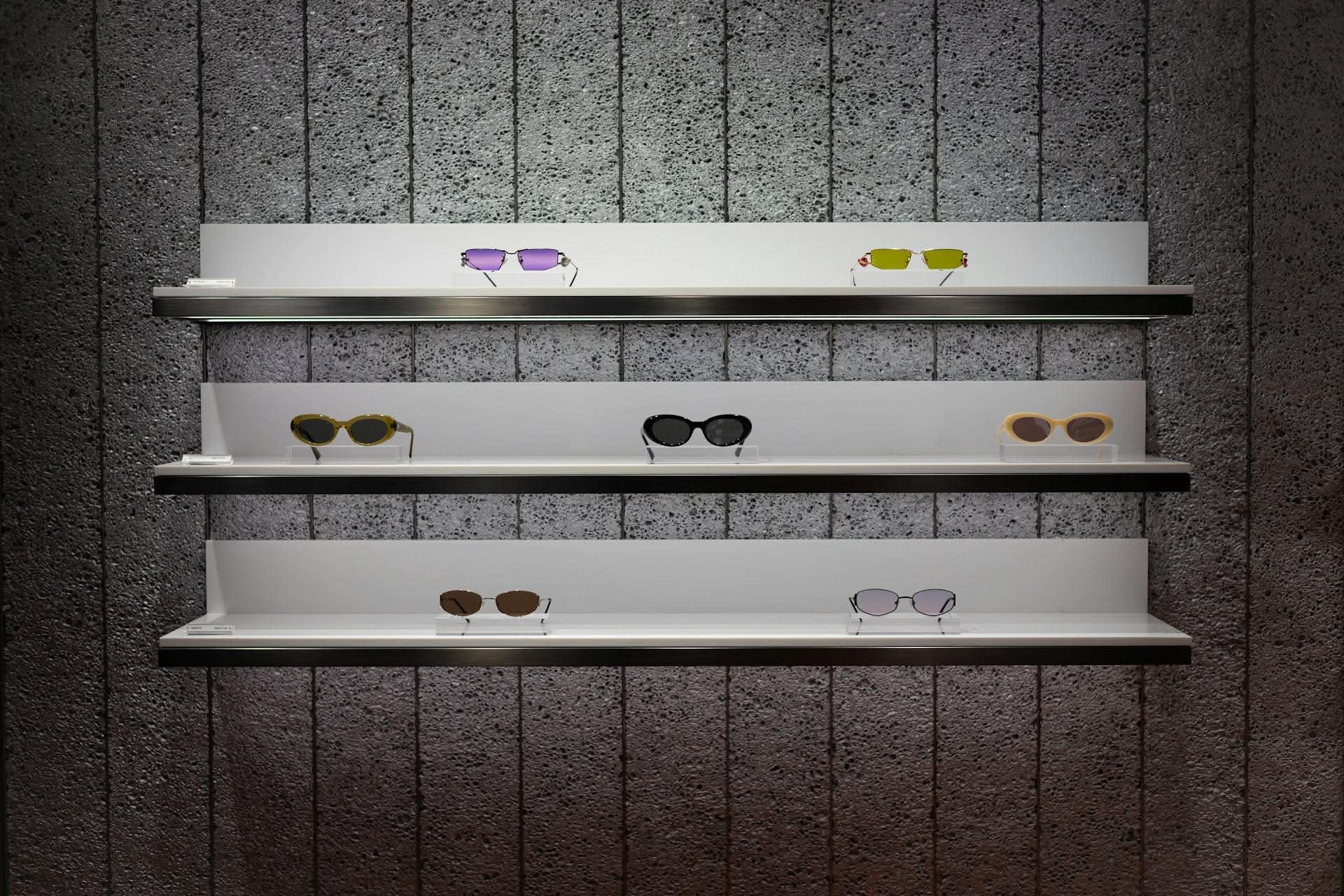
Designer glasses, chosen for their build quality, proportion, and suitability to the face rather than for label recognition alone, are worth the investment in a professional context because they are worn every day and seen in every meeting, video call, and client interaction. A well-chosen frame in quality acetate or metal holds its appearance across years of daily use in a way that cheaper alternatives do not, and the return on that investment is distributed across every professional interaction the wearer has.
The same applies to designer sunglasses for outdoor and travel contexts. A pair that looks considered and fits correctly is part of the professional image in the same way that clothing choices are, particularly in sectors where personal presentation is part of the role.
Lightweight Fabrics and Comfortable Tailoring for Long Days
The wardrobe that works hard needs to be comfortable to wear hard. Pieces that look good in the morning and feel uncomfortable by mid-afternoon are pieces that get avoided regardless of how well they were chosen at the point of purchase.
Lightweight fabrics, merino wool, quality linen, stretch-incorporated suiting, and technical blends that manage temperature and movement, perform better across a long working day than heavier traditional fabrics. Comfortable tailoring with enough ease in the cut to allow natural movement is the difference between a wardrobe that gets worn consistently and one that saves its best pieces for occasions that rarely arise.
Fit matters more than fabric for most people. A well-fitted piece in a reasonable quality fabric looks better and feels better than a poorly fitted piece in an expensive one. Getting key pieces altered to fit properly is one of the highest-return investments in the professional wardrobe that most people have never made.
Maintaining Quality: Investing in Pieces That Last
Buying quality is only half the equation. Maintaining it is the other. Clothes that are washed correctly, stored properly, and repaired when needed last considerably longer than the same pieces treated carelessly.
Knowing how to care for what you own, following care labels, using the right cleaning methods for different fabrics, storing knits folded rather than hung, and taking shoes and clothing to be repaired at the first sign of wear rather than the last, extends the lifespan of quality pieces in a way that makes the initial investment considerably more rational.
The same principle applies to eyewear. Cleaning lenses correctly with a microfibre cloth rather than whatever is closest, storing frames in a case rather than face-down on a surface, and having frames adjusted when they start to sit incorrectly maintains the appearance and performance of a quality pair across years rather than months.
A wardrobe maintained well is a wardrobe that continues to work hard for you rather than requiring constant reinvestment to stay functional.