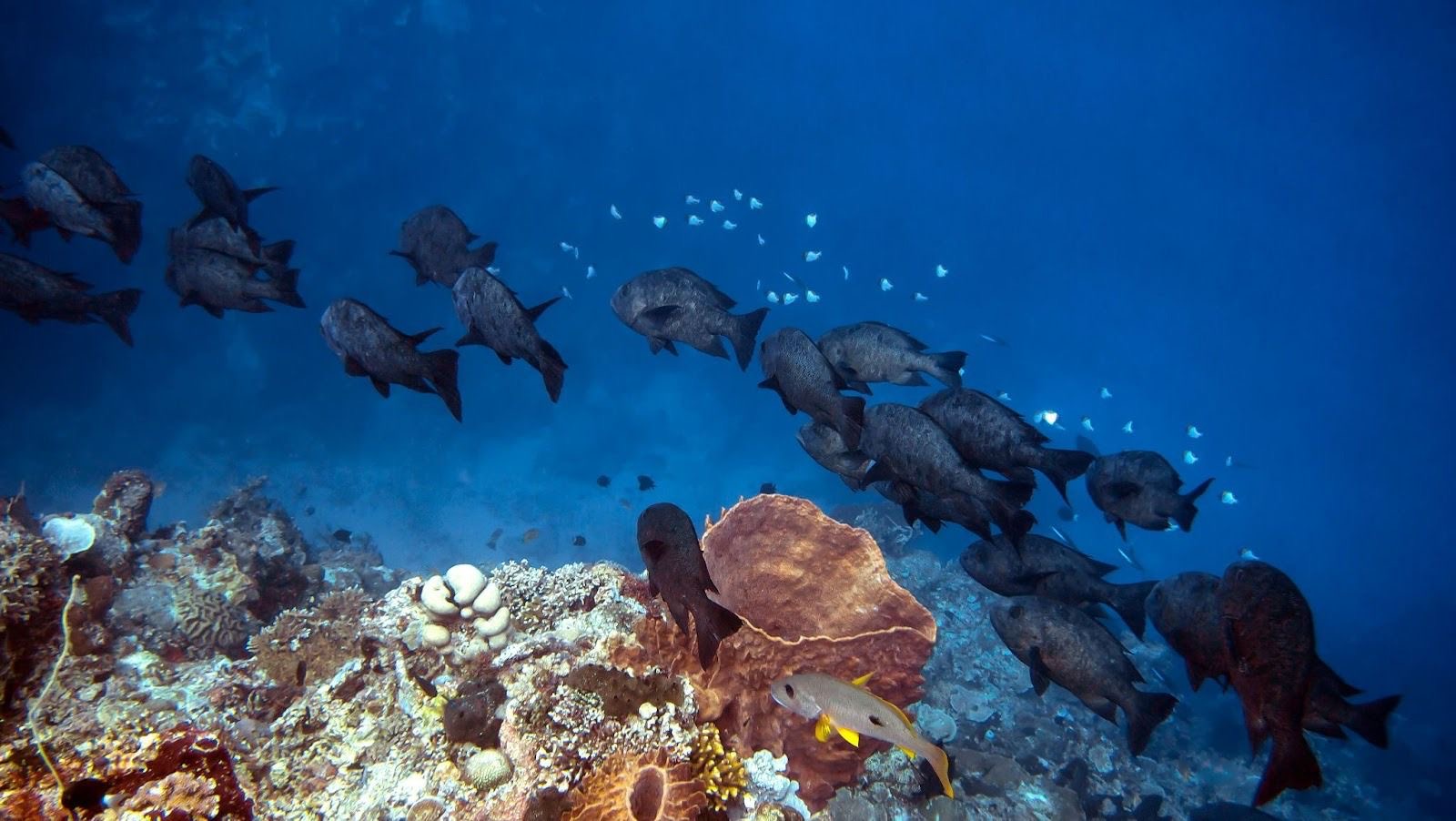
If you’re planning Mexico liveaboard diving, you’re probably not doing a quick day-boat hop close to shore. You’re committing to open water, long crossings, and the kind of sites that make Mexico feel huge—Socorro’s oceanic mantas, blue-water sharks, and those calm moments when you’re drifting in mid-water and a pod of dolphins shows up like it owns the place. That’s the draw of liveaboard diving in Mexico. And it’s exactly why packing matters.
On a boat, space is real. Cabins have storage, but they aren’t built for three bags per person, two pairs of fins, and a pile of “just in case” clothing. You’ll also be living in wet gear every single day. If you bring too much, your cabin turns into a drying room, and it’s hard to rest when everything feels damp and chaotic.
In 2026, more operators are also getting stricter about luggage. Some have clear weight targets for transfers, and some simply warn you that oversized bags won’t fit neatly. Even if no one weighs your suitcase, you still have to move it: dock-to-boat, boat-to-tender, tender-to-ladder. The point of minimalist packing isn’t to suffer. It’s to make your week easier: less clutter, fewer missing items, fewer surprise rentals, and more energy for the dives. You’ll notice the payoff fast—usually before the first briefing ends.
Core Scuba Gear: Prioritizing Compact Reliability
Most of your volume comes from a few pieces: exposure suit, BCD, fins, and whatever “backup” gear you bring. So start there. Offshore routes can have current, surface chop, and the occasional rough ride in the tender. You want equipment that’s compact, but not fragile.
Fins are a good example. Travel fins that fold into a tiny bag are nice until you’re pushing against current and your legs feel like they’re pedaling air. A stiffer fin with a lighter material is usually the best compromise. If you’re between sizes, size for comfort in booties, not for a perfect barefoot fit. Blisters on day two are a very real way to ruin a trip.
For buoyancy, a travel BCD that packs flat is a smart choice, and so is a simple backplate-and-wing if you already dive it comfortably. What matters is familiarity. A trip is not the time to reinvent your setup. If you change anything, change one thing, and test it locally.
Regulators have gotten lighter without getting weaker, but don’t skimp on service. Get them checked before you go. Bring a mouthpiece tie and a spare O-ring or two, and you’ve covered the common annoyances. A dive computer is non-negotiable on repetitive diving. Use yours, know your menus, and bring a spare battery or a charging cable that actually matches the model.
One phrase you’ll see in forums is liveaboard diving in Mexico, usually used to describe everything from easy reef days to high-energy offshore dives. Either way, your basics should be consistent: a mask you trust, fins that fit, and a setup you can assemble half-asleep at 6 a.m.
If you’re trying to cut weight, start by removing duplicates. One solid mask box beats two masks thrown loose in a bag. One compact spool can replace a bulky reel for many situations. And if you’re not bringing a camera rig, you can usually skip half the “waterproof cases” people pack out of habit.
The Essential Liveaboard Diving in Mexico Gear Checklist
This is the “don’t board without it” kit. It’s not the entire universe of dive accessories. It’s the small set of items that keeps you safe, warm, and functional when you’re far from a shop. If you pack these and keep the rest sensible, you’re already packing light.
A small note: if you’re new to blue-water diving, practice with your SMB before you travel. The gear itself is only half the story. Knowing how to use it calmly is what keeps it from becoming dead weight.
- 7mm Wetsuit or 5mm with Hooded Vest: The Pacific can be surprisingly chilly, especially on deeper dives with big animals.
- Surface Marker Buoy (SMB) and Reel: A tall, high-visibility SMB is mandatory in often choppy surface conditions.
- Nautilus Lifeline or GPS: Crucial for safety in remote locations where currents can drift divers away from the boat.
- Dive Computer With Spare Battery: Essential for managing nitrogen during multi-dive days.
- Polarized Sunglasses And Reef-Safe Sunscreen: Protection during sun-heavy surface intervals.
- Seasickness Medication: Useful for long, potentially rough crossings across open water.
- Microfiber Travel Towel: Saves space and dries fast in a humid maritime environment.
Strategic Thermal Layers For Repetitive Diving
Thermal protection is where divers usually overpack, because cold is miserable and nobody wants to risk it. But you can stay warm without stuffing your bag with three wetsuits.
Think in layers. A solid 5mm paired with a 2mm hooded vest can feel close to a bulky 7mm, and it dries faster. If you run cold, prioritize your head and core before you add thickness everywhere. A hood, a beanie, or a thin base layer often gives you more comfort per gram than another millimeter of neoprene on your arms.
Plan for the cumulative effect. Even if the first dive feels fine, repetitive days slowly pull heat out of you, especially when the wind hits you during surface intervals. That’s when a simple windbreaker and a warm drink matter as much as neoprene. If you’re tempted to pack “extra suits,” try packing one smarter suit plus one smart layer instead.
Drying matters too. If your suit never dries, it feels heavier, and it stays cold. Pack a couple of lightweight hanger clips or a short length of line so you can hang gear neatly. It keeps the cabin calmer and helps everyone avoid the “wet pile” problem that takes over by day three.

Topside Attire: The Less Is More Philosophy
Life onboard is practical. You’ll rotate between the dive deck, the dining area, and whatever patch of shade you claim during the afternoon. So your clothing should match that rhythm.
Pack a small set of quick-dry basics. Two or three swimsuits. A few lightweight shirts. One pair of shorts you can wear all day. Add one warm layer for evenings and one wind layer for crossing days. That’s it. Anything beyond that usually turns into a damp pile.
Many boats offer simple laundry options or at least have rinse areas for swimsuits and rash guards. Take advantage of that instead of bringing seven copies of the same thing. It’s a small habit that saves a lot of space.
Footwear is simpler than people think. You need something safe for wet decks and something comfortable for shower-to-cabin life. Many boats keep indoor areas shoe-free, so don’t bring heavy shoes “for dinner.” Dinner is still dinner, even in flip-flops.
If you want to keep the cabin tidy, pack one small dry bag or mesh tote. It helps you move gear without spreading it across every surface, and it makes you the person other divers quietly appreciate.
Save-A-Dive Kit And Digital Essentials
A minimalist bag still needs a safety margin. The trick is choosing a margin that’s high-value and compact.
A small save-a-dive kit should cover the common failures: a handful of O-rings, a fin strap, a mask strap, zip ties, a mouthpiece tie, and a tiny tube of silicone grease. That’s enough to keep you diving through the usual hiccups without turning your luggage into a toolbox.
Add the tiny “paperwork” items that prevent a headache: a photo of your passport, a copy of your dive insurance card, and a note with emergency contacts. If you take prescription meds, carry them in your hand luggage and pack one extra day’s supply. It’s boring advice, but it’s the kind that keeps a trip from getting derailed.
Digital gear is where you can accidentally overpack fast. Bring one multi-port charger and short cables. If you shoot photos, add spare O-rings for your housing, a lens cloth, and a couple of high-capacity cards. Offshore trips can be disconnected, so download maps, books, and entertainment before you board.
This is also where you prevent fees. Rental equipment adds up, and the little stuff gets expensive when you’re already committed. That’s why experienced travelers keep a stable core kit for Mexico liveaboard diving and only customize small pieces per trip.
If you’re wondering where those trips actually start, it varies. Some itineraries board from liveaboard marinas in Mexico that are busy, hot, and chaotic. A compact kit makes boarding smoother and keeps you from sweating through your first day before you even hit the water.
Conclusion
Packing light for offshore Mexico is less about rules and more about clarity. You need warmth, safety, and a setup you can handle without drama. Everything else is negotiable.
If you bring compact, reliable core gear, a smart thermal system, and a tiny kit for common failures, you’ll feel better on every dive. You’ll also avoid the boring money leaks: last-minute rentals, replacement purchases at the dock, and overweight baggage charges.
And there’s a social side too. Boats work best when everyone keeps their footprint reasonable. That’s easier when you don’t arrive with five bags and a mountain of duplicates. It’s one of the reasons divers who do Mexico liveaboards often become repeat customers—they learn the rhythm, pack smarter, and the whole week feels calmer.
Whether you’re joining diving liveaboards in Mexico for big pelagics or you’re choosing calmer routes first, the minimalist approach holds up. Pick gear that works, keep spares for the items that actually fail, and stay realistic about temperature.
Do that, and your trip becomes what it should be: clean dives, a clear head, and a cabin that feels like a place to rest instead of a storage locker. When you’re ready to book the next adventure, you’ll already know what matters—and your next liveaboard diving in Mexico will be simpler from the first email to the last rinse. If you’re comparing liveaboard boats in Mexico or planning liveaboard dive trips in Mexico, that simplicity is worth more than any extra gadget.
For many people, the first week on a liveaboard in Mexico becomes the start of a long habit, and that’s when liveaboard diving in Mexico feels less like a big leap and more like a comfortable routine.