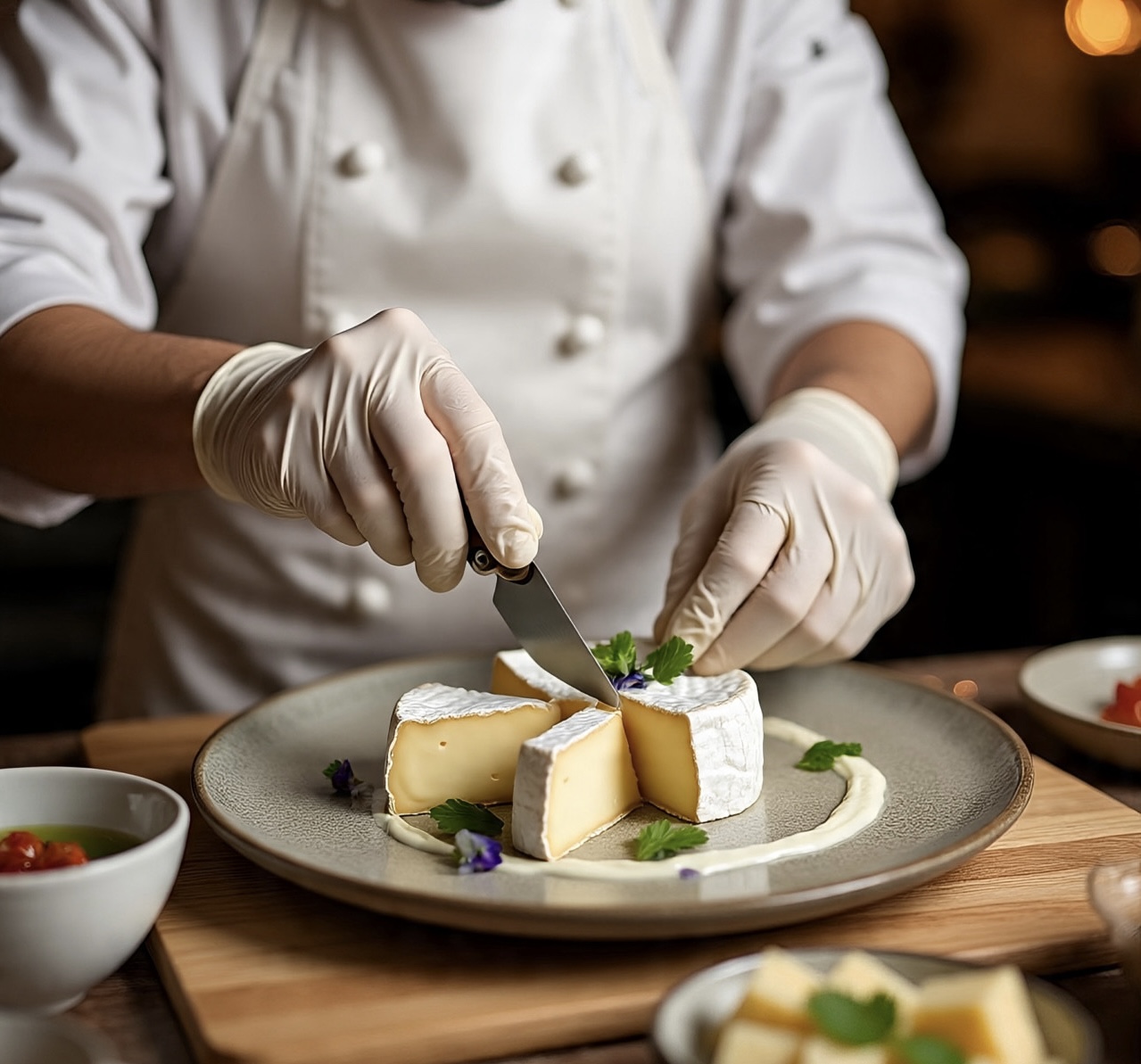
Seeking to enrich our world with new colors and flavors, chefs are “improving” cheese: frying it, boiling it, salting it, drying it, baking it, and seasoning it with a vast array of culinary delights.
Cheese occupies a place of honor in the international gastronomic encyclopedia. Italy offers brined mozzarella with tomatoes and olive oil; Greece offers sweet peppers, cucumbers, and olives with feta cheese; Bulgaria offers the legendary Shopska salad with grated feta; France offers baked brie (and many other recipes); Germany offers soft, rich Camembert with cranberry jam. However, today’s chefs have a wealth of choices, even without the abundance of imported products. You can purchase handcrafted September Farm Cheese, which adds the perfect touch to any dish.
General Rules
There are a few simple rules for making cheese. The most important one is: cheese never hurts anyone; any dish benefits from its presence.
Be sure to follow these rules to reveal all aspects of the cheese’s flavor without spoiling its structure.
Winter Dishes: Characteristics
Winter is more than just a season; it’s a whole mood. When it’s freezing, windy, and dark early, food becomes more than just fuel. It’s a way to warm up and feel good. In winter, we want tasty flavors and warm food that makes us feel good inside. Cheese is a big deal during this food season.
Cheese is great because it can be strong, light, tasty, and comforting. It fits right into winter cooking. It melts and enhances other flavors. It makes even simple food feel like home. Let’s see how to use cheese in winter dishes to make them stand out.
In winter, we need more calories to stay warm. Cheese helps with that. It’s high in protein and fat, plus it tastes great. Cheese doesn’t feel too heavy in the winter. Instead, it appears to be exactly what you want. Cheese also goes well with hot foods. It melts, makes things creamy, and brings flavors together. That’s why you see it in soups and baked goods during the cold months.
Cheese in Hot Soups and Stews
Winter soups are usually thick, flavorful, and satisfying, not watery. Cheese is great here for a few reasons. First, it makes the soup more filling, as in a creamy cheese soup. Cheddar, Gouda, Emmental, or processed cheese can make the texture smooth and add significant flavor. It goes great with potatoes, pumpkin, leeks, and cauliflower.
Also, cheese can be a flavor booster. A bit of grated Parmesan or Gruyere on top of some hot soup really changes the flavor, making it richer and more interesting. Remember to add the cheese at the end and keep the heat low so it melts evenly and doesn’t curdle.
Casseroles
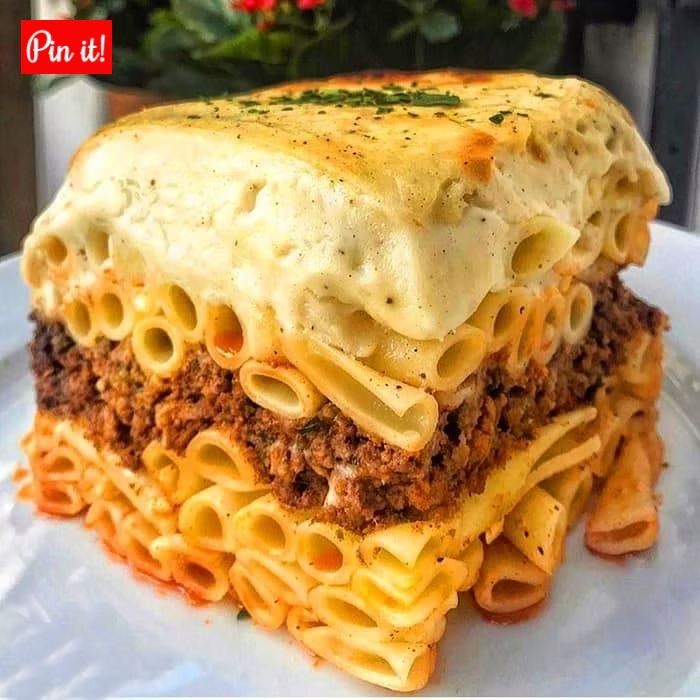
When winter rolls around, that oven of yours? It becomes the MVP of the entire kitchen. And cheese? Cheese is its ultimate sidekick. Think about it: casseroles, gratins, lasagna, even those cheesy scalloped potatoes we all love. You just can’t make ’em right without some good quality cheese thrown in there.
Cheese plays two key roles when baking. First off, it gives you that excellent, golden-brown crust that just screams comfort food — you know, that warm and fuzzy feeling.
When making winter casseroles, choose cheeses that melt well. Mozzarella is always a good choice, but Gouda, Edam, and Cheddar work great too. They get all gooey and perfect. If you want more flavor, add a little Parmesan or some aged cheese. Just a bit, though! You want the cheese to add to the dish, not overpower it. You still want to taste everything else!
Cheese and Meat: The Perfect Winter Pairing
When it’s cold, I cook a lot of meat – like braised dishes, oven-baked stuff, and slow-cooked meals. I noticed that cheese enhances meat flavor and keeps it moist. For instance, add cheese to ground meat when making meatballs or cutlets, and the meatballs or cutlets are juicier and have better flavor. There’s something great about biting into a hot cutlet with melted cheese inside. It’s incredibly comforting when it’s freezing.
For baked meat dishes, cheese is a nice topping. I like to use cheese on dishes or bake cheesy chicken. They make the meal special and cozy. These meals make any winter weeknight feel celebratory — cheesy, warm, and perfect for short, dark days. It’s easy to make a regular dinner yummy and fun.
Cheese and Winter Vegetables
So, winter veggies can be kind of meh, right? Good for you, whatever, but not super exciting. Add cheese, though, and suddenly you’ve got some delicious, cozy meals. The secret’s in how you cook things and choosing the right cheese.
Root veggies — potatoes, parsnips, celery root, carrots, beets — they’re all great with cheese. Roasting makes them sweeter, and cheese makes them creamy and salty. Baked pumpkin with soft cheese and herbs? That’s a warm, stick-to-your-ribs kind of dish, even without meat.
Cheese can also enhance winter vegetable stews. Stir in some grated, aged cheese right before serving; it’ll thicken and pull the flavors together. Cabbage, lentil, or bean dishes are perfect to try on, since folks eat them a lot this time of year.
And veggie casseroles? Broccoli, cauliflower, or Brussels sprouts in a cheese sauce? This ain’t rabbit food; this is comfort food. Cheese brings the healthy and tasty together. You can eat more veggies in winter and actually like it. Cheese makes winter vegetables a real treat, adding tons of flavor and warmth when you need it most.
Cheese in Winter Porridges and Grain Dishes
Think about it: polenta, bulgur, buckwheat, pearl barley, even plain old rice… they all get a significant flavor boost with a little bit of cheese mixed in. What cheese does, in particular, is make them creamy and add richness that you just can’t get any other way. This is especially true if you’re cooking your grains with water or broth instead of milk — the cheese adds the creamy texture you might be missing.
What’s more, the kind of cheese matters too! Harder cheeses, such as Parmesan or aged cheddar, impart deeper, more intense flavors. They give the dish a lovely savory edge, which is fantastic. On the other hand, softer cheeses, such as ricotta or mozzarella, melt beautifully and make the whole thing extra smooth and comforting.
Don’t knock it until you try it. It is a surprising comfort food when you least expect it. We have recommended this simple meal for children for years, and it is the kind of food they remember fondly as adults. It is also an exceptional meal when you do not have the energy to cook anything more complex than a bowl of warm granola goodness.
Cheese in Winter Baking
When it’s cold out, baking isn’t just about sweet pies; consider tasty savory dishes too! Cheese is the star here. Cheese pies, flatbreads, quiches, and puff pastries are great when it’s cold. The benefit of baking with cheese is that it tastes great hot, warm, or even the next day. The flavor stays awesome. Cheese goes really well with mushrooms, potatoes, spinach, or caramelized onions in winter. Just pick cheeses that retain their flavor when cooked and don’t become rubbery.
Fondue and Cheese Sauces
You can’t chat about winter cheese without bringing up fondue. It’s more than just food; it’s an experience. Hot, melted cheese that you dip bread, veggies, or meat into — it just screams cozy winter evenings. Think slow, warm, and comfy. Cheesy sauces are big in the winter, too. They’re fantastic on pasta, veggies, potatoes, and even meat. Just be sure to cook the sauce on low so the cheese melts smoothly and doesn’t get weird.
How to Choose Cheese for Winter Dishes
When it’s cold, go for flavorful cheeses that melt well. Mild cheeses can be overwhelmed by warm meals. Think about using cheese as the star, not just a topping, in winter recipes. Storing cheese is simpler when it’s cold outside, but don’t let it get too dry. Take it out of the fridge early to let the flavor come out when you cook.
Conclusion
Cheese isn’t just food; it’s a feeling. It brings to mind home, cozy vibes, chill dinners, and feeling safe. When you cook with cheese in winter, you’re not just making a meal, you’re setting a mood. Winter’s great for trying stuff out — mix different cheeses, throw them in your usual recipes, and find flavors you didn’t know were there. Who knows, maybe a plate of gooey, melted cheese will turn a cold day into a warm one.