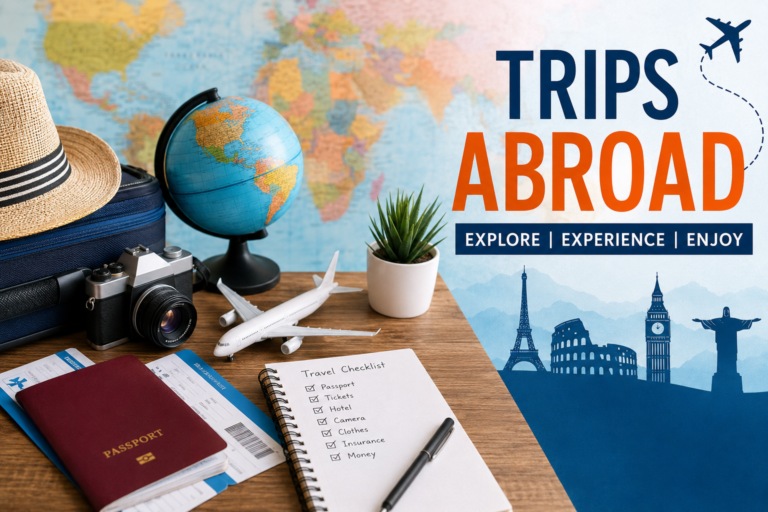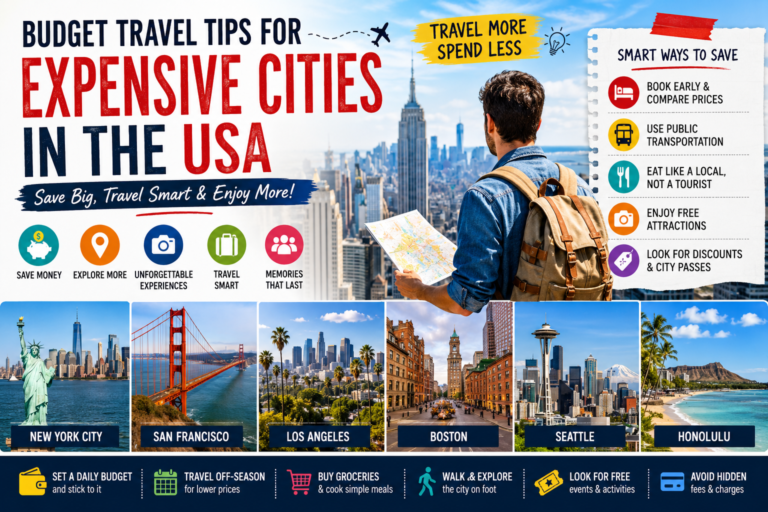
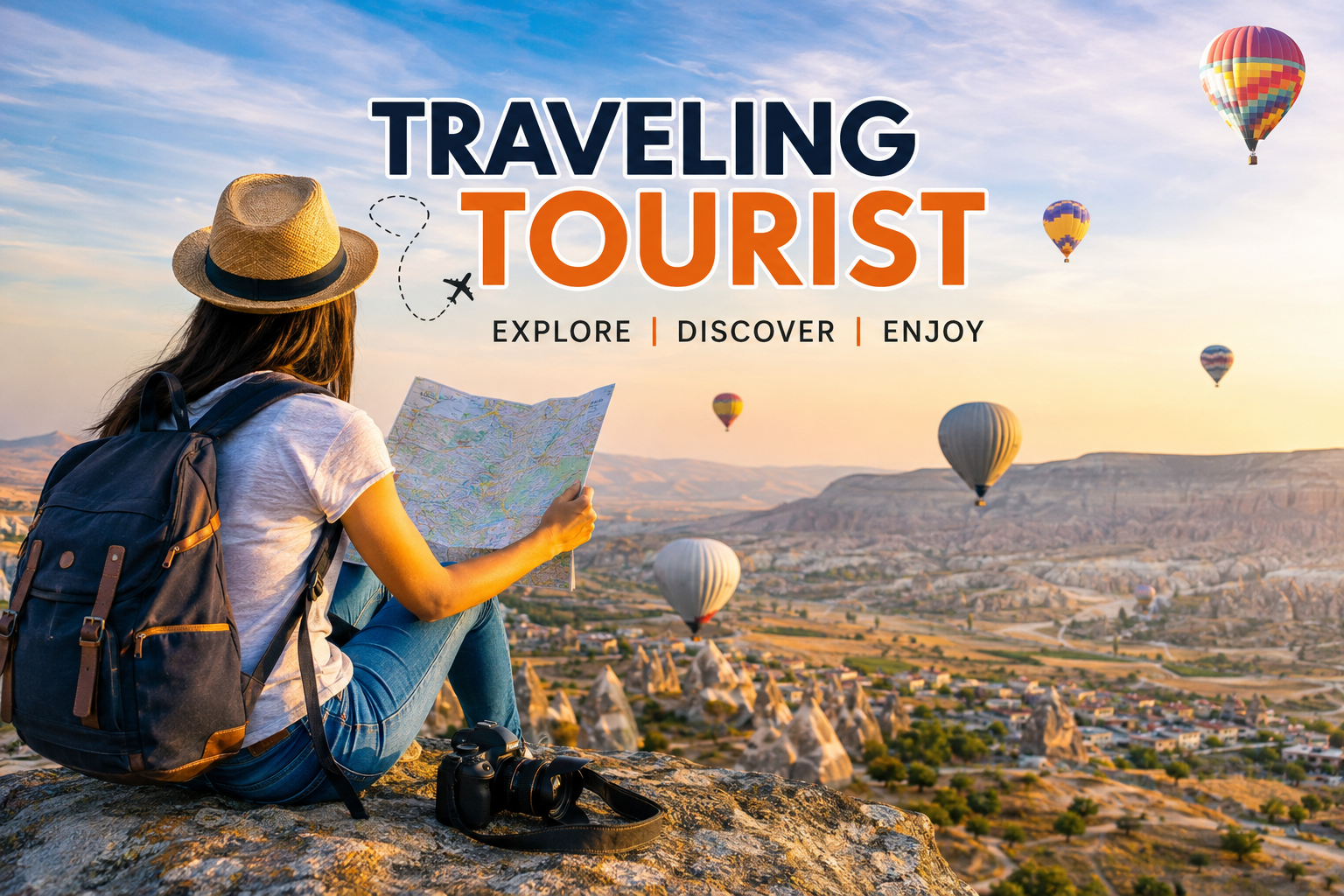
Traveling is one of the best ways to discover new places, meet different people, learn about other cultures, and create memories that can last for years. A traveling tourist can be anyone who leaves their usual home area to visit another destination for relaxation, adventure, education, business, culture, or personal reasons. Every traveling tourist has a different reason for taking a trip, but good planning, safety, and respect for local communities can make the experience better. A traveling tourist may spend a few days in a nearby city or several weeks exploring another country. Some people enjoy comfortable hotels and organized tours International Travel Checklist
What Is a Traveling Tourist?
A traveling tourist is a person who visits a place away from their normal home or daily environment for a temporary period. The destination may be in the same country or in another country.
For example, someone living in Lahore who visits Islamabad for a holiday can be a traveling tourist. A person from Pakistan who visits Turkey, Malaysia, Saudi Arabia, the United Kingdom, or another country for a temporary trip can also be considered a traveling tourist.
The purpose of a traveling tourist can be different from person to person. Some travel to rest, while others want adventure, education, shopping, sightseeing, or cultural experiences.
A traveling tourist normally has a temporary stay. This is an important difference between tourism and permanent relocation. A tourist usually visits a destination and later returns home or continues to another destination.
Tourist and Traveler: What Is the Difference?
The words tourist and traveler are often used in the same way, but people sometimes use them to describe different travel styles.
| Traveling Tourist | Traveler |
|---|---|
| May follow a planned itinerary | May have a flexible plan |
| Often visits popular attractions | May search for less-known places |
| May stay in hotels or resorts | May choose many types of accommodation |
| Often focuses on sightseeing and holidays | May focus on deeper local experiences |
| Usually has a fixed travel period | May have a more flexible schedule |
| Can use organized tours | May arrange everything independently |
These differences are not strict rules. A traveling tourist can also have a very independent and flexible travel style.
Why Do People Travel?
People travel for many reasons. Some want a peaceful holiday after months of work. Others want to see famous landmarks or experience a new culture.
Common reasons include:
- Relaxation and rest
- Adventure
- Family holidays
- Cultural experiences
- Historical exploration
- Food and local cuisine
- Shopping
- Education
- Business
- Visiting friends and relatives
- Photography
- Nature and wildlife
- Sports and outdoor activities
- Personal discovery
Travel can also help people learn things that cannot always be learned from books or screens. A traveling tourist who visits a historical city can see architecture, museums, streets, and local traditions directly.
Traveling also gives people a chance to understand that different communities may have different ways of living. Food, clothing, language, transportation, social customs, and family traditions can vary greatly between destinations.
Different Types of Traveling Tourists
Not every traveling tourist has the same interests. Understanding different tourism styles can help people choose destinations and activities that suit them.
Adventure Tourist
An adventure tourist looks for excitement and outdoor experiences. This type of traveling tourist may enjoy:
- Mountain hiking
- Camping
- Rock climbing
- Rafting
- Scuba diving
- Ziplining
- Trekking
- Desert trips
- Skiing
Adventure tourism can be exciting, but safety should always come first. Tourists should understand the difficulty of an activity and use qualified guides when necessary.
Cultural Tourist
A cultural tourist wants to learn about the history, traditions, art, food, and lifestyle of a destination.
A cultural traveling tourist may visit:
- Museums
- Historical buildings
- Traditional markets
- Cultural festivals
- Religious and heritage sites
- Local art centers
- Traditional restaurants
- Historic neighborhoods
Respect is very important for cultural tourism. Tourists should learn basic local customs before visiting culturally important places.
Family Tourist
Family tourists travel with children, parents, or other relatives. Family trips usually require more planning because the needs of different age groups must be considered.
A family traveling tourist may look for:
- Safe accommodation
- Family rooms
- Easy transportation
- Child-friendly attractions
- Restaurants with suitable food
- Medical facilities nearby
- Short travel distances
A good family trip does not need to be packed with activities. Leaving some free time can help children and adults rest.
Solo Tourist
A solo tourist travels alone. Solo travel can offer independence because the traveling tourist can choose their own schedule.
Solo tourists should pay special attention to:
- Personal safety
- Accommodation reviews
- Transportation
- Emergency contacts
- Document security
- Communication
- Local laws
Solo travel can be a powerful way to become more confident and independent.
Luxury Tourist
A luxury tourist generally looks for comfort and premium services. This may include:
- High-end hotels
- Private transportation
- Fine dining
- Spa services
- Private tours
- Premium flights
- Exclusive experiences
Luxury travel can be expensive, but the main purpose is often comfort, convenience, privacy, and personalized service.
Budget Tourist
A budget tourist tries to enjoy a destination while keeping spending under control.
A budget traveling tourist may:
- Stay in affordable hotels or hostels
- Use public transportation
- Eat at local restaurants
- Travel during less expensive periods
- Compare accommodation prices
- Choose free attractions
- Plan a daily spending limit
Budget travel does not mean that the experience has to be poor. Smart planning can help tourists enjoy a destination without unnecessary spending.
Nature and Eco-Tourist
Nature tourists travel to enjoy natural environments. They may visit forests, mountains, lakes, beaches, national parks, and other natural areas.
Eco-tourists try to reduce the negative effect of tourism on the environment. They may support local communities, reduce waste, avoid damaging natural areas, and follow environmental rules.
How to Plan a Trip as a Traveling Tourist
Good planning can prevent many common travel problems. A traveling tourist should start preparing early, especially for international travel.
Choose Your Destination
First, decide where you want to go. Think about:
- Your available budget
- Weather
- Travel time
- Visa requirements
- Safety
- Local transportation
- Attractions
- Accommodation
- Food
- Your personal interests
A destination should match your travel purpose. Someone looking for beaches may not choose the same destination as someone interested in history or mountain adventures.
Set a Travel Budget
A travel budget helps you understand how much money you can comfortably spend.
Consider these main expenses:
| Expense | What It Can Include |
|---|---|
| Transportation | Flights, trains, buses, taxis, fuel |
| Accommodation | Hotels, apartments, hostels |
| Food | Restaurants, groceries, snacks |
| Activities | Tours, tickets, attractions |
| Documents | Visas, permits, travel documents |
| Insurance | Travel insurance where appropriate |
| Shopping | Gifts, clothing, souvenirs |
| Emergency fund | Unexpected costs |
Do not plan your budget only around the price of a flight or hotel. Small expenses can become a large part of the total trip cost.
Check Travel Documents
International tourists should check their documents before departure.
Depending on the destination, a traveling tourist may need:
- Valid passport
- Visa
- Travel insurance
- Flight confirmation
- Hotel booking
- Identification documents
- Copies of important documents
- Proof of funds where required
- Health-related documents where required
Travel requirements can change, so tourists should verify current requirements before traveling.
Book Accommodation
Choose accommodation based on location, safety, budget, and convenience.
A cheaper hotel far away from everything may not actually save money if transportation costs become high. Sometimes paying a little more for a central location can reduce daily transportation expenses.
Before booking, check:
- Location
- Reviews
- Cancellation rules
- Check-in and check-out times
- Transportation access
- Available facilities
- Additional fees
Plan Your Daily Activities
A traveling tourist should have a basic plan but avoid making every minute of the trip busy.
A simple daily plan might look like:
| Time | Activity |
|---|---|
| Morning | Breakfast and main attraction |
| Late morning | Museum or sightseeing |
| Afternoon | Lunch and local exploration |
| Evening | Shopping or cultural activity |
| Night | Dinner and rest |
Leave some space for unexpected discoveries. A small local restaurant, interesting street, beautiful view, or friendly conversation may become one of the best memories of the trip.
Essential Things Every Traveling Tourist Should Carry
Packing depends on the destination, season, and type of trip. However, some items are useful for almost every traveling tourist.
Important items may include:
- Passport and identification
- Travel documents
- Phone
- Phone charger
- Power bank
- Payment cards
- Some local cash
- Appropriate clothing
- Comfortable shoes
- Personal hygiene items
- Necessary medicines
- Sunglasses
- Travel bag
- Copies of important documents
Do not overpack. Heavy luggage can make airports, public transportation, hotels, and walking much more difficult.
A traveling tourist should also consider the weather. A mountain destination may require warm clothing, while a tropical destination may require lightweight clothes and protection from the sun.
Popular Activities for a Traveling Tourist
Every destination offers different experiences. Some activities are especially popular with tourists.
Sightseeing
Sightseeing is one of the most common tourist activities. It can include famous landmarks, city centers, monuments, bridges, viewpoints, and historic buildings.
Hiking
Hiking is popular in destinations with mountains, forests, valleys, and natural trails. A traveling tourist should choose a trail suitable for their physical ability and experience.
Beach Activities
Beach destinations can offer swimming, walking, boating, snorkeling, photography, and relaxing near the water.
Tourists should follow local beach safety rules and pay attention to weather and water conditions.
Historical Tours
Historical tourism helps visitors understand how a city or country developed. Museums, old buildings, monuments, archaeological sites, and heritage areas can provide valuable information.
Shopping
Shopping can be part of the travel experience. Local markets often provide opportunities to purchase traditional products, clothing, crafts, food, and souvenirs.
Local Food Experiences
Food is an important part of tourism. A traveling tourist can learn about a destination by trying traditional meals and visiting local food markets.
However, tourists should consider food safety and personal dietary needs.
Photography
Many tourists enjoy photographing landscapes, architecture, food, people, and memorable moments.
When photographing local people, religious sites, private property, or cultural events, asking permission may be appropriate.
Budget Travel Tips for a Traveling Tourist
Travel does not always have to be expensive. A careful traveling tourist can reduce costs without removing the fun from the trip.
Travel During Less Busy Periods
Traveling outside peak periods can sometimes reduce accommodation and transportation costs. It may also mean fewer crowds.
Compare Transportation
Check several transportation options before booking. Depending on the destination, a train, bus, or shared transport may be less expensive than a private vehicle.
Choose Local Food
Local restaurants can sometimes offer better value than restaurants in major tourist areas.
Use Public Transportation
Public transportation can reduce daily travel costs, especially in cities with good bus, train, or metro systems.
Look for Free Attractions
Many destinations offer free parks, public spaces, walking areas, markets, beaches, cultural events, or museums on selected days.
Set a Daily Spending Limit
A daily spending limit can stop a traveling tourist from using too much of the budget during the first few days.
For example, divide the available spending money between:
- Food
- Transportation
- Attractions
- Shopping
- Emergency expenses
Keep some money separate for unexpected needs.
Tourist Safety Tips
Safety should always be part of travel planning. A traveling tourist may be unfamiliar with local streets, laws, transportation systems, and common risks.
Here are useful safety habits:
- Keep your passport secure.
- Store copies of important documents.
- Avoid displaying large amounts of cash.
- Learn about local laws.
- Research areas before visiting them.
- Use trusted transportation when possible.
- Keep emergency contact information available.
- Stay aware of your surroundings.
- Protect your phone and other valuable items.
- Tell someone you trust about your basic travel plans.
A traveling tourist should also know where the nearest hospital, police station, embassy or consular service, and reliable transportation options are located when traveling internationally.
Responsible Tourism
Being a responsible tourist means enjoying a destination without causing unnecessary harm to local people, culture, animals, or the environment.
A responsible traveling tourist should respect local communities and understand that they are a guest in another place.
Respect Local Culture
Learn basic customs before arriving. Some destinations have specific rules about clothing, photography, greetings, food, public behavior, or religious places.
Avoid Littering
Do not leave plastic, food waste, bottles, or other rubbish in natural areas or public places.
Support Local Businesses
Buying from local shops, restaurants, guides, artists, and small businesses can help money remain within the local community.
Protect Natural Places
Do not damage plants, rocks, historical structures, or wildlife habitats.
Follow Local Rules
Tourism rules may exist for safety or environmental protection. Follow signs, permits, restricted-area rules, and instructions from local authorities.
Benefits of Traveling as a Tourist
Travel can provide many personal and social benefits.
Reduces Stress
A break from normal routines can help people relax. A change of environment can provide mental space after a busy period.
Creates Memories
Photos are useful, but personal memories often come from experiences such as watching a sunset, sharing a meal, visiting a historic location, or meeting interesting people.
Improves Cultural Understanding
A traveling tourist can discover that people in different places may have different traditions and lifestyles.
Provides Learning Opportunities
Travel can teach geography, history, language, food, architecture, nature, and social customs.
Encourages Personal Growth
Travel can help people become more independent. Finding transportation, communicating with unfamiliar people, solving small problems, and managing money can improve confidence.
Common Mistakes Tourists Should Avoid
Even experienced tourists can make mistakes. Planning ahead can reduce many common problems.
| Common Mistake | Better Approach |
|---|---|
| Overpacking | Carry only useful items |
| No budget | Set spending limits |
| Too many activities | Leave free time |
| Ignoring local customs | Research cultural rules |
| Poor document planning | Check requirements early |
| Booking only by price | Consider location and reviews |
| No emergency plan | Keep important contacts |
| Carrying too much cash | Use safe payment options |
| Ignoring weather | Check conditions before activities |
| Rushing every attraction | Focus on quality experiences |
One of the biggest mistakes is trying to see everything in a short period. A traveling tourist may feel tired instead of enjoying the destination.
It is usually better to visit fewer places properly than to rush through many places without appreciating them.
How to Choose the Right Destination
The best destination depends on the traveling tourist’s purpose.
Use the following guide:
| Travel Goal | Destination Type |
|---|---|
| Relaxation | Beach or resort destination |
| Adventure | Mountains, forests, rivers |
| History | Historic cities and heritage areas |
| Family holiday | Family-friendly cities and resorts |
| Shopping | Major commercial cities |
| Nature | National parks and rural destinations |
| Culture | Traditional cities and cultural regions |
| Budget travel | Affordable destinations with good public transport |
| Luxury | Premium resorts and major international cities |
Before selecting a destination, think about what you actually want from the trip.
A destination may be famous, but that does not mean it is the right destination for every traveling tourist.
How to Have a Better Travel Experience
A great trip is not only about visiting famous places. It is also about how you experience the destination.
Try these simple ideas:
- Learn a few words from the local language.
- Talk respectfully with local people.
- Try traditional food.
- Visit a local market.
- Explore beyond major tourist attractions.
- Take photographs but also enjoy the moment.
- Keep your schedule flexible.
- Respect local traditions.
- Spend time in nature.
- Keep a travel journal.
- Avoid comparing every destination with your home.
A traveling tourist who is open-minded can often discover more than someone who only follows a fixed list of attractions.
Traveling With Family
Family travel can be very enjoyable when everyone’s needs are considered.
Parents traveling with children should think about:
- Child-friendly accommodation
- Food preferences
- Rest periods
- Easy transportation
- Medical access
- Safe activities
- Weather
- Entertainment
Children may not enjoy spending an entire day visiting museums or historical buildings. Mixing educational activities with parks, food experiences, games, and outdoor activities can make the trip more enjoyable.
Solo Traveling Tips
A solo traveling tourist has more freedom but also needs to take greater responsibility for personal safety.
Before leaving:
- Share basic plans with someone you trust.
- Keep emergency contacts available.
- Research accommodation carefully.
- Learn how local transportation works.
- Avoid risky areas.
- Keep important documents secure.
- Have backup payment options.
- Keep your phone charged.
Solo travel can be an excellent opportunity to develop confidence, but there is no need to take unnecessary risks simply for the sake of adventure.
International Travel Considerations
International tourism requires additional preparation.
A traveling tourist crossing an international border should check current entry requirements, passport validity rules, visa requirements, transportation rules, and other official requirements before departure.
It is also useful to understand:
- Local currency
- Exchange rates
- Local laws
- Common languages
- Local transportation
- Emergency services
- Weather
- Cultural customs
- Electricity and plug types
- Communication options
Do not assume that rules are the same everywhere. Requirements can differ significantly between countries.
Sustainable Travel for a Traveling Tourist
Tourism can support local economies, but large numbers of visitors can also place pressure on natural resources and local communities.
A sustainable traveling tourist can make better choices by:
- Using public transportation when practical
- Avoiding unnecessary plastic
- Carrying reusable items
- Supporting local businesses
- Respecting wildlife
- Staying on marked trails
- Avoiding damage to natural areas
- Choosing responsible accommodation
- Reducing food waste
- Respecting local residents
Small actions from millions of tourists can have a meaningful effect.
What Makes a Good Traveling Tourist?
Being a good tourist is not about spending a lot of money or visiting a large number of countries.
A good traveling tourist:
- Plans carefully.
- Respects local people.
- Follows local laws.
- Protects personal belongings.
- Keeps an open mind.
- Respects nature.
- Supports local businesses.
- Avoids unnecessary waste.
- Learns about local culture.
- Understands that they are a guest.
- Enjoys the journey instead of rushing.
The attitude of a tourist can affect the experience. Being patient, polite, curious, and respectful can make travel more enjoyable for both visitors and local communities.
A Simple Travel Preparation Checklist
Before leaving home, a traveling tourist can review this list:
- Check passport validity.
- Confirm visa or entry requirements if applicable.
- Confirm transportation bookings.
- Confirm accommodation.
- Prepare important documents.
- Save emergency contacts.
- Prepare payment methods.
- Check the weather.
- Pack suitable clothing.
- Pack personal medicines and essentials.
- Charge electronic devices.
- Prepare copies of important documents.
- Check local transportation.
- Review important local customs.
- Keep an emergency fund.
This simple preparation can reduce stress before departure.
FAQs
What is a traveling tourist?
A traveling tourist is someone who temporarily visits a destination away from their normal home or daily environment. The purpose can include holidays, sightseeing, culture, adventure, business, education, or visiting family and friends.
What does a traveling tourist do?
A traveling tourist may explore attractions, visit historical places, try local food, shop, enjoy nature, take part in activities, meet people, and learn about the destination.
How can a traveling tourist save money?
A traveling tourist can save money by comparing transportation and accommodation, using public transportation, eating at affordable local restaurants, traveling during less busy periods, setting a daily budget, and choosing free or low-cost attractions.
What should a traveling tourist pack?
A traveling tourist should pack according to the destination and weather. Common essentials include identification, travel documents, clothing, comfortable shoes, a phone and charger, payment methods, personal hygiene products, and necessary medicines.
How can a traveling tourist stay safe?
Tourists can improve safety by protecting important documents, learning about local laws, researching destinations, avoiding risky areas, using trusted transportation, keeping emergency contacts, and staying aware of their surroundings.
Is solo tourism safe?
Solo tourism can be safe when a tourist plans carefully and follows sensible safety practices. Researching accommodation, understanding transportation, keeping documents secure, and sharing basic plans with someone trusted can help.
Why is responsible tourism important?
Responsible tourism helps protect local communities, cultures, natural environments, and historical places. A responsible traveling tourist tries to enjoy a destination without causing unnecessary harm.
How long should a tourist stay in one destination?
There is no single ideal length. It depends on the destination, budget, available vacation time, and personal interests. A longer stay can allow a traveling tourist to explore more slowly and understand local life better.
Should tourists follow a strict itinerary?
A basic itinerary can be useful, but it does not need to control every minute. Leaving free time allows a traveling tourist to rest and discover unexpected places.
Conclusion
Being a traveling tourist is about more than simply moving from one location to another. Tourism can be a chance to relax, learn, explore, meet people, understand cultures, enjoy nature, and create meaningful memories. A successful traveling tourist starts with sensible planning. Choosing the right destination, creating a realistic budget, checking travel documents, booking suitable accommodation, and preparing important items can make a journey much easier. Safety should also remain a priority. Tourists should understand local rules, protect their belongings, keep important contacts available, and avoid unnecessary risks.