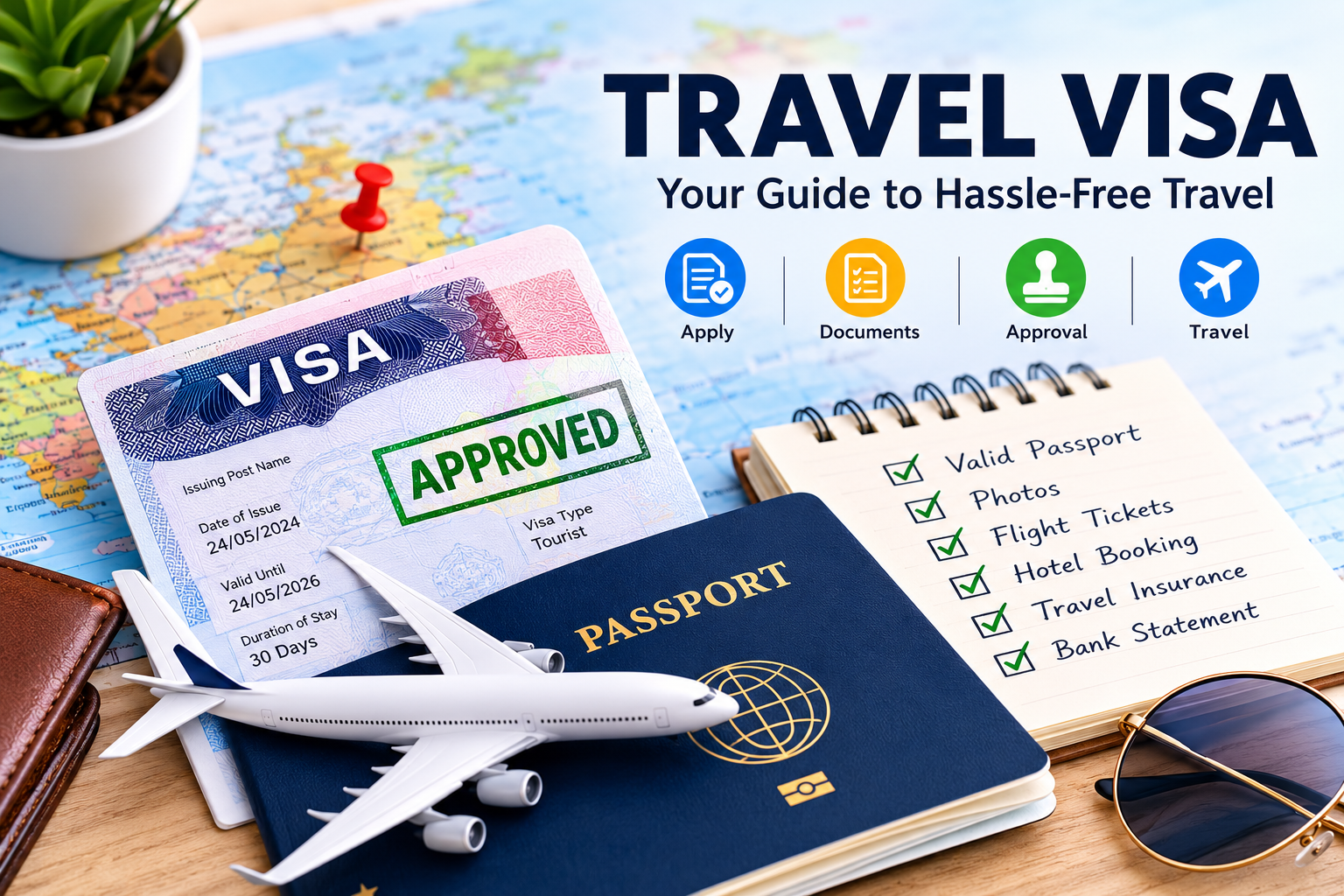
Traveling to another country can be an exciting experience. You may want to visit famous places, meet family members, enjoy a holiday, attend a business event, or explore a new culture. However, before you start your journey, you may need permission to enter the country. In many cases, this permission comes in the form of a travel visa. A travel visa is an official document or electronic approval that allows a person to travel to a foreign country for a specific reason and for a limited period. Visa rules are different from one country to another. Some countries allow visitors to enter without a visa, while others require travelers to apply before they leave their home country OAT Travel
What Is a Travel Visa?
A travel visa is permission given by a country to a foreign traveler. It normally allows the traveler to enter that country for a specific purpose and for a certain amount of time.
A visa can be placed in a passport, issued as a separate document, or provided electronically. An electronic visa is often called an e-visa. Some countries also offer visas on arrival, which means travelers can apply for permission after reaching a designated airport, border crossing, or other entry point.
A visa does not always mean that entry is guaranteed. Immigration officers at the border may still check your passport, visa, travel purpose, accommodation, funds, and other information. The final decision to allow entry is normally made according to the destination country’s immigration rules.
Why Do Countries Require Visas?
Countries use visas to manage international travel and control who enters their territory. A visa system can help immigration authorities understand:
- Who is visiting
- Why the person is traveling
- How long the person plans to stay
- Where the traveler plans to stay
- Whether the traveler has enough money for the trip
- Whether the traveler plans to return home
- Whether the traveler meets the country’s entry rules
Visa rules can also help countries manage work, study, business, tourism, and family visits separately.
Visa vs. Passport
A passport and a visa are not the same thing.
A passport is an official travel document issued by your country of citizenship. It proves your identity and nationality and allows you to travel internationally.
A visa is permission from another country that may allow you to enter that country.
| Passport | Travel Visa |
|---|---|
| Issued by your own country | Issued by the country you want to visit |
| Proves identity and nationality | Gives permission for a specific type of travel |
| Usually needed for international travel | Only required for certain destinations or travelers |
| Can be valid for several years | Validity depends on the visa |
| Used for international identification | Controls entry conditions and permitted stay |
You normally need a valid passport before applying for a visa.
Types of Travel Visas
Different travelers need different visas. The correct visa depends on the reason for your trip, your nationality, the destination country, and the length of your stay.
Tourist Visa
A tourist visa is designed for people who want to visit another country for holidays, sightseeing, relaxation, or short personal trips.
It may allow activities such as:
- Visiting tourist attractions
- Staying in hotels or other accommodation
- Taking part in sightseeing tours
- Visiting friends
- Enjoying cultural activities
- Taking a short vacation
A tourist visa usually does not allow you to take regular employment in the destination country.
Business Visa
A business visa is generally intended for short business-related trips. It may be suitable for activities such as:
- Attending business meetings
- Visiting business partners
- Taking part in conferences
- Attending trade events
- Negotiating contracts
- Exploring business opportunities
Business visa rules vary widely. A business visitor may not be allowed to perform regular paid work for a local company.
Transit Visa
A transit visa may be needed when you are passing through a country on your way to another destination.
For example, you may have a flight from your home country to another country with a long connection in a third country. Depending on the airport, nationality, connection time, and immigration rules, you may need a transit visa.
Not every traveler needs one. Some airports also allow passengers to remain in a secure transit area without entering the country.
Student Visa
A student visa is intended for people who want to study in another country.
It may be required for:
- University programs
- Colleges
- Language courses
- Professional training
- Other approved educational programs
Student visas often require an admission letter from an educational institution. Financial evidence, accommodation details, health documents, and other requirements may also apply.
Work Visa
A work visa allows a foreign national to work legally in a destination country under specific conditions.
Work visa applications can be more complicated than tourist visa applications. They may require:
- A job offer
- Employment contract
- Employer sponsorship
- Educational certificates
- Professional experience
- Police clearance
- Medical documents
- Government approvals
A person should not assume that a tourist visa can be used for employment. Working without the required permission can create serious immigration problems.
Family or Visit Visa
Some countries offer visas for people who want to visit family members or friends.
Depending on the destination, the application may require:
- Invitation letter
- Proof of relationship
- Sponsor information
- Sponsor’s passport or residence documents
- Accommodation information
- Proof of financial support
The exact requirements depend on the immigration rules of the destination country.
E-Visa
An e-visa is an electronic visa that can often be requested online.
Instead of visiting an embassy for every part of the process, applicants may complete an online form, upload documents, pay a fee, and receive their visa electronically.
However, an e-visa is not automatically available to every nationality. Eligibility and conditions depend on the destination country.
Visa on Arrival
A visa on arrival is issued after the traveler reaches an approved entry point.
This option can be convenient, but travelers should check the requirements before flying. Some countries require specific documents, cash or card payment, hotel confirmation, return tickets, or proof of sufficient funds.
How Does a Travel Visa Work?
The visa process normally begins before your journey.
First, you check whether you need a visa. If you do, you identify the correct visa type and review the official requirements.
You then prepare your documents and submit an application. Depending on the country, you may submit it online, through an embassy, through a consulate, or through an authorized visa application center.
After submission, the immigration authority reviews your application. Some applicants may be asked to attend an interview or provide biometric information.
If your application is approved, you receive your visa. You should then carefully check the visa details before traveling.
A visa may contain information such as:
- Your name
- Passport number
- Visa type
- Validity dates
- Number of permitted entries
- Maximum duration of stay
- Other conditions
Common Travel Visa Requirements
Visa requirements are different for each country, but many applications ask for similar documents.
Valid Passport
Your passport is one of the most important documents in a visa application.
Many countries require your passport to remain valid for a certain period beyond your planned trip. Some also require a specific number of blank pages.
Before applying, check:
- Passport expiry date
- Blank pages
- Passport condition
- Matching personal information
If your passport will expire soon, renewing it before applying may be the better choice.
Visa Application Form
You may need to complete an online or paper application form.
The form can ask for:
- Full name
- Date and place of birth
- Nationality
- Passport information
- Address
- Employment details
- Travel history
- Travel purpose
- Intended travel dates
- Accommodation information
Always provide accurate information. Small mistakes can cause delays, and false information can result in refusal or other immigration problems.
Passport-Size Photos
Some visa applications require recent photographs that meet specific size and background requirements.
Photo rules can differ between countries. Before taking the photo, check the official instructions.
Proof of Accommodation
You may need to show where you plan to stay.
This could include:
- Hotel reservation
- Rental accommodation details
- Invitation from a host
- Address of family or friends
The document should match the information provided in your application.
Flight or Travel Plans
Some visa applications ask for evidence of your planned journey.
This may include:
- Proposed flight itinerary
- Return or onward ticket
- Travel schedule
- Details of planned destinations
Do not assume that every country requires a purchased ticket before visa approval. In some cases, applicants are advised to avoid buying non-refundable tickets until they receive a decision.
Proof of Funds
A country may want to see that you can pay for your trip.
Financial evidence may include:
- Bank statements
- Salary slips
- Employment documents
- Business records
- Savings evidence
- Sponsorship documents
The amount needed depends on the destination, length of stay, accommodation, and individual circumstances.
Travel Insurance
Some countries require travel insurance for certain visitors.
Insurance can help cover unexpected expenses related to medical emergencies, trip interruptions, or other covered events.
If insurance is mandatory, check the required coverage before purchasing a policy.
Employment or Business Documents
Applicants who work or operate a business may need documents showing their current situation.
Examples include:
- Employment letter
- Approved leave letter
- Salary information
- Business registration
- Tax documents
- Company ownership records
These documents can help explain the applicant’s financial position and travel circumstances.
Invitation Letter
An invitation letter may be required when visiting a person, company, organization, or event.
Depending on the visa type, it may include:
- Host’s name
- Address
- Contact information
- Relationship with the traveler
- Reason for the invitation
- Planned dates of the visit
- Accommodation arrangements
How to Apply for a Travel Visa
The application process depends on the country, but the following steps are common.
Step 1: Check Whether You Need a Visa
Start by checking the official immigration or embassy information for your destination.
Visa rules can depend on:
- Your nationality
- Passport type
- Destination
- Travel purpose
- Length of stay
- Entry method
Do not rely only on information from friends or old travel posts because immigration rules can change.
Step 2: Select the Correct Visa Type
Choose the visa that matches your actual reason for traveling.
For example:
- Holiday → Tourist visa
- Short business meeting → Business visa
- University study → Student visa
- Employment → Work visa
- Short connection → Transit visa, if required
Applying for the wrong category can create problems.
Step 3: Prepare Your Documents
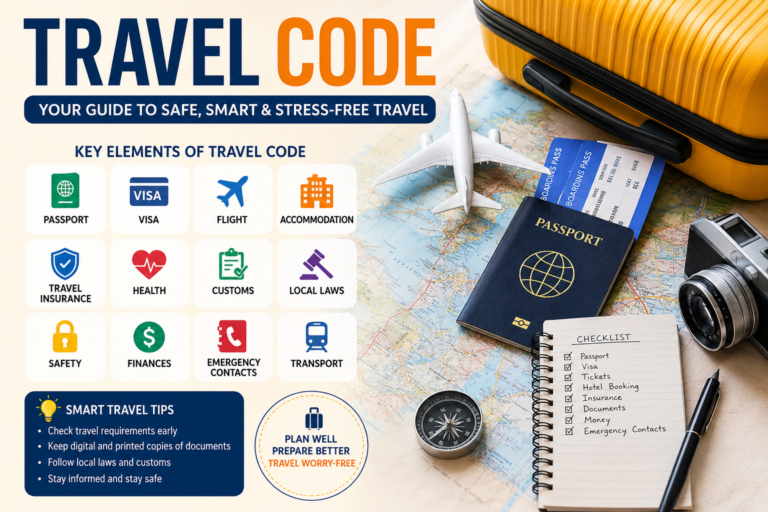
Make a checklist before submitting your application.
A basic checklist might include:
- Passport
- Application form
- Photograph
- Bank statements
- Accommodation proof
- Travel plan
- Employment documents
- Insurance
- Invitation letter, if required
- Previous travel documents, if requested
Keep both physical and digital copies when appropriate.
Step 4: Complete the Application
Complete every section carefully.
Check names and dates against your passport. Make sure your travel dates, accommodation details, employment information, and other answers are consistent.
Step 5: Pay the Visa Fee
Most visa applications have a fee.
Payment methods can include:
- Online payment
- Bank payment
- Card payment
- Payment at a visa center
- Other approved methods
Visa fees are often non-refundable, even if an application is refused.
Step 6: Book an Appointment if Required
Some applications require an appointment at an embassy, consulate, or visa application center.
During the appointment, you may provide:
- Fingerprints
- Photograph
- Documents
- Passport
- Interview answers
Step 7: Attend the Interview
Not every applicant needs an interview, but some visa categories require one.
You may be asked:
- Why are you traveling?
- Where will you stay?
- How long will you stay?
- Who will pay for your trip?
- What do you do for work?
- Have you traveled abroad before?
- When will you return?
Answer clearly and honestly.
Step 8: Wait for the Decision
After submission, the application goes through a review process.
Processing time depends on the destination, visa category, season, application volume, and whether additional documents are required.
Step 9: Check Your Visa
If approved, check every detail carefully.
Look at:
- Name
- Passport number
- Visa type
- Validity period
- Entry conditions
- Allowed stay
If you notice an error, contact the relevant authority before traveling.
How Long Does a Travel Visa Take?
There is no single processing time for all travel visas.
Some applications may be processed quickly, while others can take weeks or longer.
Processing may take more time when:
- The application is incomplete
- Documents are missing
- Additional checks are required
- The embassy receives many applications
- An interview is needed
- Biometrics are required
- The applicant’s circumstances require further review
It is usually better to apply well before your planned journey.
How Much Does a Travel Visa Cost?
Visa costs vary by country and visa type.
The total cost may include:
| Possible Cost | Description |
|---|---|
| Visa application fee | Main fee charged for processing the application |
| Service fee | May be charged by a visa application center |
| Biometric fee | May apply for fingerprint or biometric services |
| Translation fee | May apply when documents need translation |
| Insurance | Required by some destinations |
| Courier fee | May apply for passport delivery |
| Urgent processing | May be available in some cases for an additional charge |
Always check the latest official fee information before submitting your application.
Common Reasons Travel Visas Are Rejected
Visa refusal can happen for many reasons. A refusal does not always mean that a person can never receive a visa in the future.
Incomplete Documents travel visa
Missing documents can make it difficult for an immigration officer to understand your application.
Before submitting, compare your documents with the official checklist.
Insufficient Financial Evidence travel visa
If the authorities are not satisfied that you can afford your trip, they may question your application.
Your financial documents should be clear and genuine.
Weak Travel Purpose travel visa
Your reason for traveling should be easy to understand.
Your application should clearly explain:
- Where you are going
- Why you are going
- How long you will stay
- Where you will stay
- Who will pay for the trip
Incorrect Information travel visa
Differences between your application and supporting documents can create concerns.
For example, if your application says you will stay for ten days but another document suggests a much longer trip, you may need to explain the difference.
Concerns About Returning Home travel visa
For some temporary visas, immigration authorities may want evidence that you plan to leave before your permitted stay ends.
Depending on your circumstances, this can include:
- Employment
- Business responsibilities
- Family responsibilities
- Education
- Property or other commitments
Previous Immigration Problems travel visa
Previous visa refusals, overstays, deportations, or other immigration problems may affect an application.
If a form asks about previous immigration history, provide truthful information.
How to Improve Your Chances of Visa Approval
No one can guarantee visa approval, but you can make your application stronger by following the rules carefully.
Provide Accurate Information travel visa
Every answer should be truthful.
Never create fake employment letters, bank statements, hotel reservations, invitation letters, or other documents.
Submit Complete Documents travel visa
Use the official document checklist and organize your application carefully.
A simple folder system can help:
- Identity documents
- Financial documents
- Travel documents
- Employment or business documents
- Accommodation documents
- Supporting documents
Show Clear Financial Evidence travel visa
Your financial documents should support the trip you are planning.
For example, a short and reasonably priced holiday should have a financial plan that makes sense for your circumstances.
Explain Your Travel Plans Clearly travel visa
A clear travel plan can make your application easier to understand.
You can explain:
- Destination
- Dates
- Purpose
- Accommodation
- Main activities
- Return plans
Demonstrate Strong Ties to Home travel visa
For temporary travel, your application should clearly show your circumstances at home when relevant.
Employment, education, family responsibilities, or business commitments may help explain why you intend to return.
Apply for the Correct travel visa
Never use a tourist visa for a purpose that requires another visa category.
If you intend to work, study, or stay for a longer period, check whether a different visa is required.
Travel Visa vs. Visa-Free Travel
Not every traveler needs to apply for a visa.
Some countries have agreements that allow certain passport holders to enter without obtaining a traditional visa before travel.
| Feature | Travel Visa | Visa-Free Travel |
|---|---|---|
| Application | Usually required | Usually not required before travel |
| Documents | Often more extensive | Usually fewer |
| Approval | May be required before travel | Usually not required in advance |
| Entry conditions | Visa conditions apply | Visa-free conditions apply |
| Length of stay | Set by visa rules | Set by visa-free entry rules |
| Work permission | Usually restricted unless allowed | Usually restricted unless specifically allowed |
Visa-free does not mean that there are no rules. Travelers may still need a valid passport, return ticket, accommodation details, sufficient funds, or other documents.
What to Do After Your travel visa Is Approved
Receiving a visa is exciting, but there are still important things to check.
Check the Visa Dates travel visa
Look carefully at the beginning and ending dates.
A visa may allow travel only during a specific period.
Check the Number of Entries travel visa
Some visas allow:
- One entry
- Two entries
- Multiple entries
If you leave the country and want to return, you need to understand whether your visa allows another entry.
Check the Allowed Stay travel visa
travel visa validity and permitted stay are not always the same thing.
For example, a visa may be valid for several months but allow only a limited number of days during each visit.
Always follow the exact conditions.
Keep Your Supporting Documents travel visa
Even after receiving your visa, keep important documents with you when traveling.
These may include:
- Hotel reservation
- Return ticket
- Travel insurance
- Invitation letter
- Proof of funds
- Employment information
An immigration officer may ask to see some of these documents.
What Happens at Immigration travel visa?
When you arrive at your destination, you normally go through immigration control.
An officer may check your:
- Passport
- Visa
- Travel purpose
- Accommodation
- Return or onward ticket
- Financial resources
You may be asked simple questions about your trip.
Answer honestly and clearly. Do not provide false information.
A visa generally gives permission to seek entry, but border officials can still apply the country’s immigration rules when you arrive.
Travel Visa Tips for First-Time Applicants
First-time applicants can reduce stress by preparing early.
Here are some useful tips:
- Check the official immigration website.
- Read the requirements carefully.
- Use the correct visa category.
- Make sure your passport is valid.
- Prepare documents before starting the application.
- Check all dates and names.
- Keep copies of submitted documents.
- Do not submit fake documents.
- Do not hide important immigration history when asked.
- Apply early enough to allow for processing.
- Keep proof of your application.
- Check your visa after approval.
- Understand the permitted length of stay.
- Follow all immigration conditions.
FAQs
What Is a Travel Visa?
A travel visa is permission issued by a country that may allow a foreign traveler to enter for a specific purpose and period. Visa requirements depend on nationality, destination, travel purpose, and length of stay.
How Can I Apply for a Travel Visa?
You usually need to check the destination country’s requirements, choose the correct visa type, prepare documents, complete an application, pay the required fee, and provide biometrics or attend an interview if required.
How Long Does a Travel Visa Take?
Processing time varies. Some applications are processed quickly, while others can take several weeks or longer. Missing documents, high application volumes, interviews, and additional checks can increase processing time.
How Much Does a Travel Visa Cost?
There is no universal visa fee. The cost depends on the destination and visa type. Additional service, biometric, courier, translation, or urgent processing charges may also apply.
Can a Travel Visa Be Extended?
Some countries allow certain visas to be extended, while others do not. Extension rules depend on the visa type and destination country’s immigration law. You should check the rules before your current permission expires.
Can I Work on a Tourist Visa?
Usually, a tourist visa does not allow regular employment. If you want to work in another country, you generally need the appropriate work authorization or work visa.
What Happens If My Visa Is Rejected?
If your visa is refused, read the refusal information carefully. Some countries allow applicants to appeal, request a review, or submit a new application. The correct option depends on the country’s rules and the reason for refusal.
Can I Travel to Multiple Countries With One Visa?
Sometimes, but it depends on the visa.
For example, certain regional visa systems may allow travel across multiple participating countries. Other visas are valid only for one destination.
Always check the geographical coverage and entry conditions before making travel plans.
Do Children Need Travel Visas?
Children may need their own visas depending on their nationality and destination. Some countries have special rules for minors, including additional consent letters or birth certificates.
Parents or guardians should check the exact requirements before traveling.
Can I Apply for a Visa Without a Return Ticket?
It depends on the destination and visa rules. Some applications may ask for evidence of onward or return travel, while others may accept a proposed itinerary. Never purchase a non-refundable ticket simply because someone tells you it is always required. Check the official requirements first.
Should I Apply for a Visa Before Booking My Trip?
This depends on the destination and its application rules. Some travelers may need reservations or an itinerary as part of their application. However, it can be wise to understand refund and cancellation conditions before making expensive non-refundable bookings.
What Is the Difference Between Visa Validity and Length of Stay?
Visa validity tells you the period during which you may use the visa or seek entry, depending on the visa rules. The permitted stay tells you how long you can remain after entering.
These are two different things, so always read your visa carefully.
Can I Stay Longer Than My Visa Allows?
You should not stay beyond your permitted period unless you have received legal permission to extend or change your status.
Overstaying can lead to fines, removal, future visa problems, or other immigration consequences depending on the country.
What Should I Do If My Visa Information Is Wrong?
If you find an error in your visa, contact the issuing authority as soon as possible. Do not assume that you can simply travel with incorrect information.
Is Travel Insurance Always Required?
No. Travel insurance requirements differ by country and visa category. Some destinations require it, while others do not. Even when it is not mandatory, insurance can provide useful protection against unexpected travel costs.
Conclusion
A travel visa is an important part of international travel for millions of people. While the process may seem complicated at first, it becomes easier when you understand each stage. The most important step is to find the correct visa category for your trip. A person traveling for tourism may need a different visa from someone traveling for work, study, business, or family reasons. Before applying, check the official requirements for your destination. Prepare your passport, financial evidence, travel information, accommodation details, and other supporting documents carefully. Make sure every piece of information is accurate and consistent.