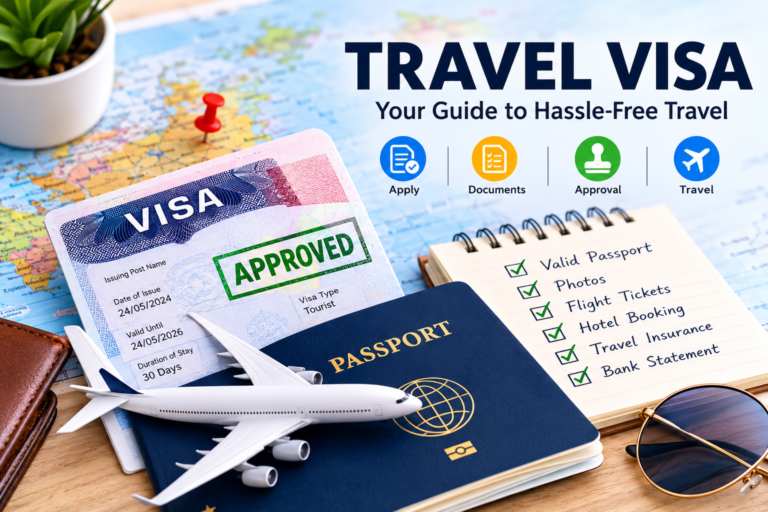
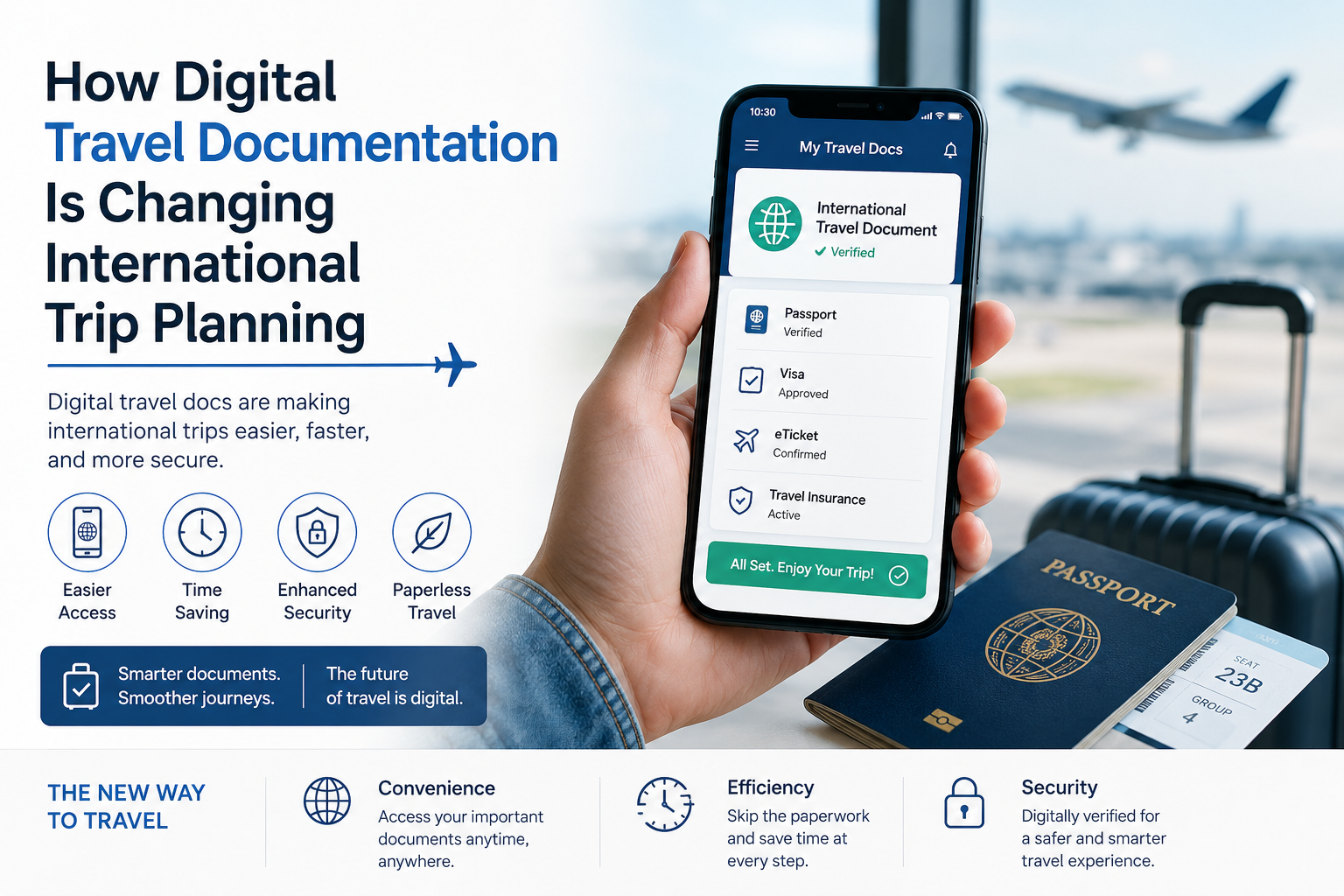
International travel planning looks very different compared to a few years ago. Travelers now manage flight records, hotel confirmations, boarding passes, visa paperwork, and itinerary updates directly from their phones or cloud based platforms.
Paper folders and printed copies still exist, but digital systems now shape how people prepare for international movement. Faster verification, online applications, and connected airline systems have created more streamlined travel planning across global travel processes.
Why Digital Documentation Has Become Central to Modern Travel
Airlines, embassies, and immigration authorities now rely heavily on digital verification systems. Many travelers researching the Airline GDS system discover how reservation networks help airlines, travel agencies, and booking platforms manage real time travel records worldwide.
The International Air Transport Association has also continued supporting digital travel modernization through initiatives tied to paperless processing and automated identity verification. Digital systems now play a major role in cross border travel coordination globally.
How Digital Documentation Is Reshaping Trip Planning
Travelers now organize trips differently because access to information happens instantly. Documentation management has become faster, more connected, and easier to update during active travel periods.
Travelers Can Access Documents Instantly
Most international travelers now store records digitally instead of carrying large document folders. Phones and cloud storage allow immediate document access during airport and embassy procedures.
This reduces the risk of losing printed confirmations while traveling. It also improves organization during multi country trips.
Visa Applications Have Become More Digital
Many embassies now require online submissions for tourist and business visas. Travelers upload records directly through digital application portals instead of paper based systems.
This shift speeds up processing in some regions while increasing documentation accuracy requirements. Incorrect uploads still create delays.
Airline Systems Update Information in Real Time
Modern reservation systems continuously update booking details and travel schedules. Travelers receive live itinerary notifications when airlines change departure times or gate information.
That flexibility helps international passengers manage disruptions more efficiently. It also improves communication between airlines and travelers.
Mobile Boarding Passes Reduce Delays
Printed boarding passes are becoming less necessary at major airports worldwide. Mobile check in systems now support faster airport processing for international travelers.
Digital boarding access also reduces long check in line dependence. Many airports continue expanding automated gate systems.
Cloud Storage Improves Travel Organization
Travelers increasingly store passports, itineraries, hotel bookings, and insurance records online. Cloud systems create centralized travel access from almost any location.
This becomes especially useful during long trips or emergency document replacement situations. Digital backups reduce unnecessary travel stress.
Immigration Checks Are Becoming More Automated
Several countries now use automated e gates and biometric systems during arrival procedures. These systems improve digital identity verification during border entry processes.
Governments continue investing in paperless travel infrastructure to improve airport efficiency. Travelers increasingly encounter automated immigration systems worldwide.
Additional Benefits of Digital Travel Documentation
Digital systems do more than improve convenience. They also support faster communication, better organization, and smoother international movement.
Faster Travel Updates During Emergencies
Digital records help travelers respond quickly when flights change unexpectedly. Mobile alerts provide real time travel information during delays or cancellations.
That speed becomes critical during weather disruptions or airport operational issues. Travelers can adjust plans faster without waiting for printed updates.
Easier Multi Country Trip Management
Travelers visiting several countries often manage multiple bookings and entry requirements. Digital storage supports better itinerary coordination throughout complex travel schedules.
Online access also helps travelers track visa validity and travel timelines more efficiently. Everything remains easier to organize centrally.
Reduced Paperwork Carrying Requirements
Many airlines and airports now accept digital copies of boarding passes and itineraries. Travelers carry fewer physical documents during international trips.
This reduces the risk of lost paperwork while simplifying airport movement. Digital records remain accessible through multiple devices.
Better Travel Record Backup Protection
Lost luggage or stolen bags can create major problems for travelers carrying paper documents. Cloud storage provides secure travel backups when physical copies disappear unexpectedly.
Digital redundancy helps travelers recover critical records faster. This improves overall travel security during long journeys.
Improved Coordination Between Travel Platforms
Hotels, airlines, insurance providers, and travel agencies increasingly connect through integrated systems. This supports more connected travel planning across international bookings.
Reservation changes update faster across platforms. Travelers receive more accurate information throughout the booking process.
Faster Travel Industry Innovation
Governments and airlines continue investing in digital travel systems worldwide. Organizations like the International Civil Aviation Organization support initiatives tied to modern aviation technology and identity management standards.
Digital infrastructure will likely continue reshaping how international trips are planned and verified over the coming years.
Practical Ways Travelers Can Manage Digital Travel Records Better
Digital convenience still requires proper organization and preparation. Travelers who manage records carefully often avoid unnecessary travel complications.
Conclusion
Digital travel documentation continues changing how people prepare for international trips in 2026 and beyond. Travelers now rely on mobile systems, online applications, cloud storage, and automated airline platforms to manage bookings and travel records more efficiently. These systems improve travel organization, reduce paperwork dependence, and support faster communication between travelers, airlines, and immigration authorities worldwide.