
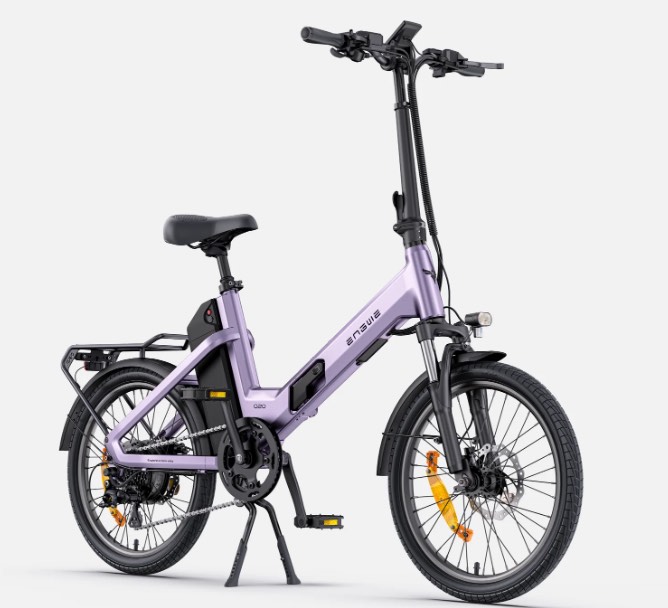
Electric bikes have transformed the way people commute, exercise, and explore their surroundings. Combining traditional cycling with electric assistance, they can make daily transportation more convenient while reducing the effort required on hills and longer routes. However, choosing the right model can be challenging when you are faced with different motors, batteries, frame designs, and features.
This vélo électrique buying guide explains the most important factors to consider before making your purchase. Whether you are a first-time buyer or an experienced cyclist looking for an upgrade, understanding these features can help you choose a bike that fits your lifestyle.
Determine How You Will Use Your Electric Bike
The first step is to consider your main reason for buying an electric bike. Different riders have different requirements, so there is no single model that works perfectly for everyone.
If you need an electric bike for commuting, you may prioritize comfort, battery range, reliability, and practical features such as integrated lights or luggage options. For recreational riding, you might prefer a sportier frame and stronger tires.
Those planning to ride on hills, rough roads, or longer routes may want a velo electrique puissant that can provide consistent assistance in demanding conditions.
Understand Motor Types
The motor is one of the most important parts of an electric bike. It determines how much assistance you receive while pedaling and has a major influence on the overall riding experience.
Electric bikes generally use either hub motors or mid-drive motors. Hub motors are positioned in the front or rear wheel and are popular because of their straightforward design. Mid-drive motors are positioned near the pedals and can provide a balanced riding experience, particularly when dealing with hills or changing terrain.
When comparing models, do not focus only on advertised power. Pay attention to how smoothly the motor delivers assistance and whether it matches the type of riding you intend to do.
Consider Battery Capacity
Battery capacity directly affects how far you can travel before recharging. It is typically measured in watt-hours (Wh), with larger capacities generally offering greater energy storage.
However, battery range is influenced by many factors. Rider weight, terrain, weather conditions, tire pressure, speed, and assistance level can all affect how quickly the battery is consumed.
For short urban trips, a smaller battery may be perfectly adequate. If you commute long distances or frequently explore outside the city, a larger battery can provide greater flexibility.
It is also worth checking whether the battery is removable. A removable battery can make charging more convenient, especially if you cannot easily bring the entire bike indoors.
Choose the Correct Frame
Frame design affects comfort, handling, and accessibility. Electric bikes are available in several frame styles, so think about what will work best for your daily routine.
Step-through frames make mounting and dismounting easier and can be particularly practical for city riding. Traditional high-step frames may provide a more conventional cycling experience.
Your height and riding position should also be considered. Check the manufacturer’s size recommendations and, where possible, test the bike before buying. A properly sized frame can make a significant difference during longer rides.
Pay Attention to Comfort
Comfort becomes increasingly important when an electric bike is used every day. Look for a saddle that provides adequate support and handlebars that allow a natural riding position.
Tires can also influence comfort. Wider tires can provide additional stability and cushioning on uneven surfaces, while narrower tires may feel faster and more responsive on smooth roads.
Some electric bikes include suspension systems that can absorb bumps and vibrations. Suspension can be especially useful if your regular routes include rough streets, gravel paths, or uneven surfaces.
Check the Braking System
A reliable braking system is essential for every vélo électrique. Electric bikes can be heavier and faster than traditional bicycles, making dependable stopping power particularly important.
Disc brakes are common on modern electric bikes and can provide effective braking in different conditions. Hydraulic disc brakes can offer smooth and powerful braking with relatively little hand pressure.
Before purchasing, check the quality of the brakes and consider the terrain where you will ride. Riders who frequently travel downhill or through busy areas should place particular emphasis on braking performance.
Look at the Available Riding Modes
Many electric bikes offer multiple assistance levels. These modes allow riders to control how much support the motor provides.
A lower assistance setting can help conserve battery power, while a higher setting can make hills and difficult sections easier. Having multiple modes gives you greater flexibility throughout the day.
A good velo electrique puissant should provide smooth assistance across its available settings rather than delivering power abruptly. Easy-to-use controls can also make changing modes more convenient while riding.
Think About Weight and Portability
Electric bikes are usually heavier than traditional bicycles because they include a motor, battery, and additional electrical components. Weight can affect how easy the bike is to carry, store, or transport.
If you live in an apartment, regularly use stairs, or need to place your bike inside a vehicle, consider a lighter or folding model. If portability is less important, a heavier frame may not be a significant concern.
Think about where you will store the bike when it is not being used. A secure, dry storage area can also help protect the electrical components and extend the bike’s lifespan.
Consider Maintenance and Warranty
Before buying an electric bike, investigate the manufacturer’s warranty and after-sales support. Even a high-quality bike may eventually require maintenance or replacement parts.
Check whether replacement batteries, brake components, tires, chargers, and other parts are readily available. Easy access to servicing can save time and money in the long term.
You should also follow basic maintenance practices, such as checking tire pressure, inspecting the brakes, keeping the drivetrain clean, and charging the battery according to the manufacturer’s instructions.
Set Your Budget
Electric bikes are available across a wide range of prices. Setting a budget can help you focus on models that provide the features you actually need.
Avoid choosing a bike based solely on its price or motor power. Instead, evaluate the complete package, including battery capacity, comfort, braking performance, frame quality, warranty, and available features.
A slightly higher initial investment can be worthwhile if the bike provides better reliability and suits your daily transportation needs.
Final Thoughts
Buying an electric bike is an investment in convenient and flexible transportation. By understanding motor performance, battery capacity, frame design, comfort, braking systems, weight, and maintenance requirements, you can make a more informed decision.
Whether you need a practical commuter or a velo electrique puissant for challenging routes, focus on how the bike fits your individual lifestyle rather than simply choosing the model with the longest list of specifications.
With the right research, a vélo électrique can become a dependable part of your everyday routine, helping you travel efficiently while making cycling more accessible and enjoyable.