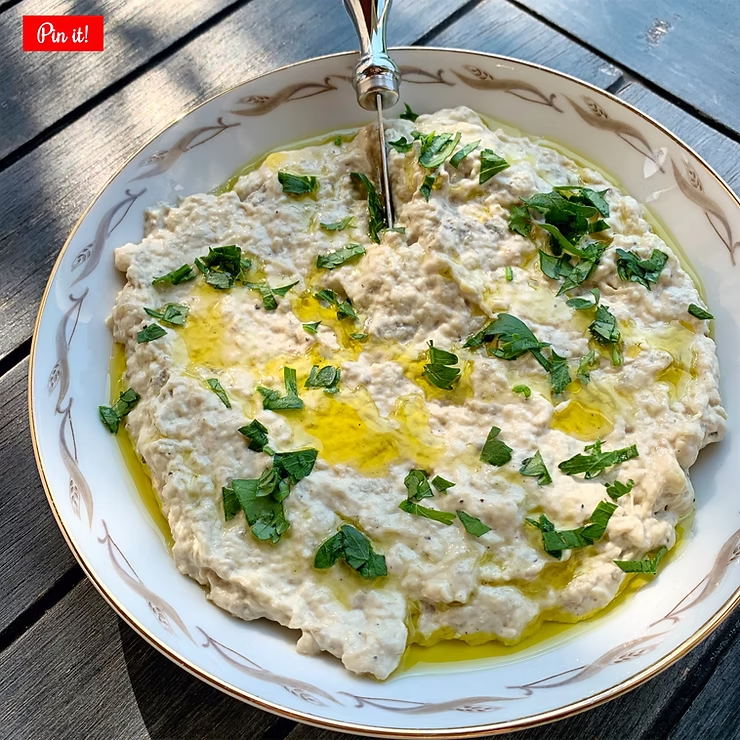
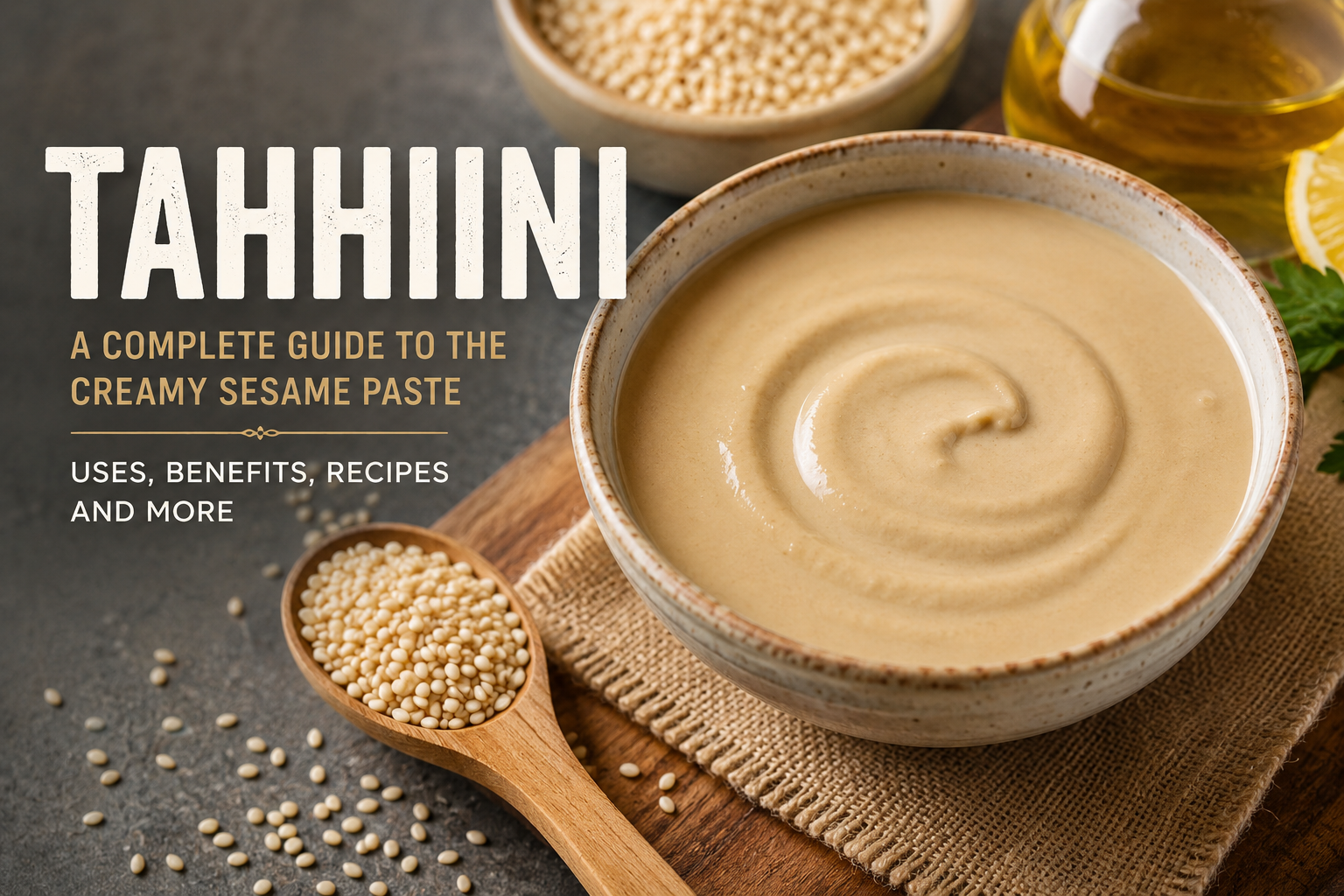
Tahhiini is a smooth sesame seed paste that brings a rich, nutty, and slightly earthy taste to many dishes. It is commonly known as tahini, and it is widely used in Middle Eastern, Mediterranean, North African, and Asian-inspired cooking. Made mainly from ground sesame seeds, this paste can be used in sauces, dips, dressings, desserts, marinades, and simple home meals. Tahini is also known as a key ingredient in hummus and baba ghanoush Spanakopita
The beauty of tahini is that it works in simple food as well as special recipes. A spoonful can turn plain roasted carrots into a restaurant-style side dish, or it can make a basic salad dressing feel creamy without dairy. Its flavor is bold but not overpowering, which makes it suitable for savory and sweet meals.
It also fits many eating styles because it is naturally plant-based, dairy-free, and usually gluten-free when made from only sesame seeds. People who want creamy texture without cream often use it in homemade sauces. Its long shelf life also makes it a practical item for busy kitchens.
Tahhiini is a paste made by grinding sesame seeds until their natural oils release and form a smooth, pourable mixture. Some versions are made from hulled sesame seeds, which usually create a lighter and milder paste. Other versions use unhulled seeds, which can taste stronger and slightly more bitter but may contain more fiber and minerals.
The paste may be raw, lightly toasted, or deeply roasted depending on the brand and regional style. Lighter tahini often tastes mild and creamy, while darker sesame paste can have a stronger roasted flavor. In many Middle Eastern recipes, it is blended with lemon juice, garlic, salt, and water to create a silky sauce served with falafel, grilled meats, roasted vegetables, or fresh bread.
Sesame seeds are small, oil-rich seeds with a naturally nutty taste. When they are ground, their oils help create a rich texture without needing dairy or artificial thickeners. This is why the paste feels creamy even though it is made from a seed.
The taste depends heavily on seed quality, roasting level, and grinding method. A good jar should smell fresh, nutty, and clean rather than stale or overly bitter. If the paste tastes harsh, dry, or rancid, it is usually a sign of poor quality or old storage.
| Nutritional Area | What It Adds to Meals | Why It Matters |
|---|---|---|
| Healthy fats | Natural richness and smooth texture | Helps create satisfying sauces and dressings |
| Plant protein | Mild protein support from sesame seeds | Useful in plant-based meals |
| Minerals | Sesame seeds contain minerals such as calcium, magnesium, and iron | Adds nutritional value to everyday recipes |
| Flavor depth | Nutty, earthy, slightly bitter taste | Balances lemon, garlic, herbs, and spices |
Tahini has deep roots in Middle Eastern and Mediterranean food traditions. Sesame itself has been grown and used for thousands of years, and sesame paste became an important part of many regional kitchens because it was rich, shelf-stable, and easy to combine with other foods. It appears in both everyday meals and traditional dishes, especially where sesame has long been cultivated and valued.
Across different cultures, sesame paste has taken many forms. In Middle Eastern cooking, it is often lighter and used in hummus, sauces, and dips. In parts of East Asian cooking, sesame paste may be more deeply roasted and darker, giving noodles and hot pot sauces a stronger aroma. These regional differences show how one simple ingredient can develop many identities.
The reason this paste became popular across regions is its balance of taste, texture, and practicality. It can be stored for a long time, mixed with water into sauce, sweetened into desserts, or used as a base for savory dips. This makes it useful in both home cooking and professional kitchens.
Today, it is no longer limited to traditional recipes. Modern cooks use it in smoothies, brownies, salad bowls, vegan sauces, sandwich spreads, and breakfast bowls. Its global popularity continues to grow because it offers creaminess without needing cheese, butter, or mayonnaise.
| Use Category | Traditional Example | Modern Example |
|---|---|---|
| Dips | Hummus and baba ghanoush | White bean sesame dip |
| Sauces | Lemon garlic tahini sauce | Grain bowl dressing |
| Sweets | Halva and sesame desserts | Brownies and cookies |
| Main meals | Falafel plates and shawarma sauce | Pasta sauce and roasted vegetable bowls |
Good tahini should be creamy, smooth, nutty, and easy to stir. Some natural oil separation is normal because sesame oil rises to the top over time. A fresh jar may look separated, but after stirring, it should become even and pourable. If it feels too dry, grainy, or pasty, it may not blend well into sauces.
The flavor should be rich but balanced. A slight bitterness is normal because sesame has a naturally earthy edge, but strong bitterness is not ideal. Lighter versions are usually better for dressings and desserts, while stronger roasted versions work well in savory dishes where garlic, lemon, herbs, and spices can balance the taste.
When buying tahhiini, check the ingredient list first. The best versions are usually made with sesame seeds only, or sesame seeds with a small amount of salt. Extra oils, sugar, or unnecessary additives are not always needed, especially if you want a clean, traditional flavor.
Texture is another sign of quality. A good jar should stir into a creamy paste instead of staying hard at the bottom. If you can see through the jar, look for a smooth consistency rather than a thick, cement-like layer. Fresh smell also matters because sesame oil can turn stale if stored badly.
| Quality Sign | Good Choice | Poor Choice |
|---|---|---|
| Ingredient list | Sesame seeds only or simple ingredients | Added fillers, excess sugar, or artificial flavors |
| Texture | Smooth, creamy, pourable after stirring | Hard, dry, grainy, or chalky |
| Aroma | Fresh, nutty, clean | Stale, sour, or rancid |
| Taste | Mildly nutty with slight bitterness | Harsh, burnt, or unpleasantly bitter |
Tahini is calorie-dense because sesame seeds contain natural oils, so a small serving can add a lot of richness. This is not a bad thing when used with balance. A spoonful in a salad dressing or sauce can make a meal more satisfying and help replace less nutritious creamy ingredients.
It also contains plant-based fats, protein, and minerals. Sesame seeds are associated with nutrients such as calcium, magnesium, phosphorus, iron, and zinc. While it should not be treated as medicine, it can be part of a balanced diet when combined with vegetables, whole grains, legumes, fruits, and other nutrient-rich foods.
A practical serving is usually one to two tablespoons, depending on the meal. This amount is enough to make a dressing, drizzle over vegetables, or add creaminess to a bowl without making the dish too heavy. Since it has a strong flavor, a little often goes a long way.
People watching calories should measure it instead of pouring freely. Those with sesame allergy must avoid it completely, because sesame is a known allergen. Anyone with a specific medical diet should follow professional advice before adding it regularly.
| Meal Type | Simple Use | Balanced Pairing |
|---|---|---|
| Breakfast | Drizzle into oatmeal | Add banana, cinnamon, and seeds |
| Lunch | Mix into salad dressing | Pair with greens and chickpeas |
| Dinner | Use as sauce for roasted vegetables | Serve with rice, lentils, or grilled protein |
| Snack | Spread lightly on toast | Add honey, dates, or fruit |
The easiest way to use tahini is to turn it into a sauce. Mix it with lemon juice, water, garlic, and salt until it becomes smooth and pale. At first, it may tighten and look thick, but with more water and stirring, it becomes creamy. This simple sauce works beautifully on falafel, grilled chicken, roasted cauliflower, salads, and warm bread.
It can also be used in sweet recipes. Its nutty taste pairs well with honey, maple syrup, dates, chocolate, banana, and vanilla. In baking, it can add moisture and depth to cookies, brownies, cakes, and energy bites. The flavor is different from peanut butter, but it gives a similar richness with a more earthy profile.
In savory cooking, tahini works best with bright and fresh ingredients. Lemon juice cuts through its richness, garlic adds sharpness, and herbs like parsley or cilantro make it feel lighter. A pinch of cumin, paprika, or black pepper can also create a warmer flavor.
It is also useful in quick meals. You can stir it into noodles, drizzle it over grain bowls, spread it inside wraps, or use it as a dip for cucumbers and carrots. When a meal feels dry, a sesame-based sauce can bring everything together.
In sweet dishes, tahini gives a deep, nutty background. It works especially well with chocolate because the slight bitterness of sesame balances sweetness. It also pairs nicely with dates, which add natural caramel-like flavor.
For a quick dessert-style spread, mix it with honey and a little cinnamon. Spread it on toast, pancakes, or warm flatbread. This gives a simple sweet snack that tastes rich without needing many ingredients.
| Ingredient | Why It Works | Best Use |
|---|---|---|
| Lemon | Adds brightness | Sauces and dressings |
| Garlic | Adds sharp flavor | Dips and savory spreads |
| Honey | Balances bitterness | Toast, desserts, and breakfast |
| Chickpeas | Creates creamy body | Hummus and salads |
| Roasted vegetables | Adds richness | Bowls and side dishes |
Making tahini at home is simple if you have sesame seeds and a strong blender or food processor. Lightly toast the seeds until fragrant, let them cool, and blend until smooth. Some people add a small amount of neutral oil to help the mixture become pourable, but high-quality sesame seeds may release enough oil on their own.
Storage depends on temperature, freshness, and brand guidance. Many jars can be kept in a cool, dry pantry before opening, while refrigeration may help extend freshness after opening. Cold storage can make the paste thicker, so it may need stirring before use. Always keep the jar tightly closed and use a clean spoon to prevent contamination.
The most important storage rule is to protect it from heat, moisture, and dirty utensils. Sesame oil can lose freshness if exposed to warm conditions for too long. A clean, dry spoon helps keep the jar safe and usable.
If the paste smells sour, paint-like, or unpleasant, it is better not to use it. Fresh tahini should smell nutty and mild. Oil separation is normal, but bad smell is not.
| Situation | Best Action | Helpful Note |
|---|---|---|
| New unopened jar | Keep in a cool pantry | Avoid direct sunlight |
| Opened jar | Follow label instructions | Refrigerate if your kitchen is warm |
| Thick paste | Stir well before using | Add water only when making sauce |
| Bad smell | Discard it | Rancid sesame oil tastes unpleasant |
If you are buying tahini for the first time, choose a simple, smooth, light-colored version. It will be easier to use in dressings, sauces, and desserts. Stronger roasted versions are delicious too, but beginners may find them more bitter or intense.
Look for products with clean labeling and good freshness. If possible, choose a jar from a store with regular stock turnover, because older jars can taste stale. In many supermarkets, it may be found near nut butters, international foods, Middle Eastern ingredients, or health food sections.
One common mistake is choosing a jar only by price. Very cheap versions can sometimes be dry, bitter, or hard to stir. A slightly better-quality jar can improve the taste of every recipe, especially hummus and sauces.
Another mistake is confusing Middle Eastern tahini with dark roasted sesame paste used in some Asian cuisines. Both are made from sesame, but they can taste different. For hummus and lemon garlic sauce, a lighter Middle Eastern-style paste usually works best.
Tahhiini is made from ground sesame seeds. Some versions use hulled sesame seeds for a lighter taste, while others use unhulled or roasted seeds for a stronger flavor.
Tahini is a type of sesame paste, but not every sesame paste tastes the same. Some Asian sesame pastes are darker and more deeply roasted, while Middle Eastern tahini is often lighter and milder.
Yes, it works very well in sweet recipes. It pairs nicely with honey, dates, chocolate, maple syrup, banana, and vanilla.
Oil separation is natural because sesame seeds contain oil. Stir the jar well until the paste becomes smooth again.
Some brands suggest refrigeration after opening, while others allow pantry storage. Follow the label and keep it away from heat, sunlight, and moisture.
A slight bitterness is normal, but strong bitterness may mean the seeds were over-roasted or the jar is old. Adding lemon, honey, garlic, or salt can help balance the flavor.
Yes, you can make it by blending toasted sesame seeds until smooth. A small amount of neutral oil can help create a creamier texture.
It is used in hummus, baba ghanoush, falafel sauce, salad dressings, grain bowls, roasted vegetable sauces, cookies, brownies, and sesame desserts.
Yes, it is naturally plant-based when made only from sesame seeds. It is often used in vegan cooking to add creaminess to sauces and dressings.
Depending on the recipe, you can use sunflower seed butter, cashew butter, almond butter, or Greek yogurt. The flavor will change, but the texture can still work in many dishes.
Tahhiini is a simple ingredient with a surprisingly wide range of uses. It starts as ground sesame seeds, but in the kitchen it becomes a dip, sauce, spread, dressing, dessert ingredient, and flavor booster. Its creamy texture makes it valuable for people who want rich food without relying on dairy. Its nutty taste works well with lemon, garlic, honey, chocolate, vegetables, grains, and legumes. For the best experience, choose a fresh, smooth jar and use it in small balanced amounts. Stir it well, store it properly, and pair it with bright or sweet ingredients to balance its natural earthiness. Whether you are making hummus, salad dressing, roasted vegetable sauce, or a simple toast spread, this sesame paste can make everyday food more flavorful and satisfying.

Morgan Louis is a seasoned traveler with an insatiable curiosity for exploring new cultures, landscapes, and experiences. With a passion for storytelling, Morgan shares their adventures and insights through vivid narratives, inspiring others to embark on their own journeys.